Winter Immunity: Ayurvedic Herbs for Seasonal Resilience
⏱ 14 min read·Updated Aug 2026·0% read

Introduction
Ayurveda identifies winter as an opportune time to build robust immunity by focusing on nourishing the body and balancing the naturally heightened Vata and Kapha doshas. This ancient Indian system of medicine, rooted in classical texts like the Charaka Samhita, emphasizes a holistic approach to immunity, known as Bala or strength, which encompasses natural (Sahaja), chronobiologic (Kalaja), and acquired (Yuktikrut) aspects. By adjusting diet and lifestyle to the seasonal rhythm, one can strengthen Agni (digestive fire) and cultivate Ojas, the subtle essence vital for immunity and overall vitality.
Key Benefits
- Supports balanced immune function. Ayurvedic herbs are traditionally valued for their adaptogenic and immunomodulatory properties, helping the body adapt to seasonal stressors and maintain a balanced immune response. Research indicates that certain Ayurvedic herbs may enhance white blood cell activity and antibody production.
- Promotes healthy respiratory comfort. During winter, Vata and Kapha doshas can aggravate, leading to increased coldness and congestion in the respiratory channels. Warming Ayurvedic herbs are traditionally used to help clear accumulated Kapha and support comfortable breathing.
- Aids in maintaining steady energy levels. Winter's cold and heavy qualities can lead to feelings of sluggishness and fatigue. Specific Ayurvedic herbs and practices are traditionally used to rekindle digestive fire (Agni) and support sustained energy and vitality by reducing Kapha accumulation.
- Supports the body's natural resilience to stress. Adaptogenic herbs like Ashwagandha are traditionally used to help the body manage physiological and psychological stress, which can otherwise impact immune competence. Studies suggest Ashwagandha may help reduce cortisol levels and enhance natural killer cell activity.
The Ayurvedic Perspective
Winter, or Hemanta and Shishira Ritu, is characterized by increased cold, dryness, and heaviness, naturally aggravating Vata and leading to the gradual accumulation of Kapha dosha. The Charaka Samhita highlights that during winter, the body's digestive fire (Agni) is strongest due to the external cold restricting internal heat, making it an ideal time for deep nourishment. To counterbalance the cold and dry qualities of Vata and prevent Kapha accumulation, Ayurveda recommends practices and herbs that are warming, grounding, and nourishing.Key Ayurvedic herbs traditionally used for winter immunity include:
- Ashwagandha (Withania somnifera): This revered Rasayana herb is known for its Madhura (sweet) and Tikta (bitter) rasa, Ushna (heating) virya, and Madhura (sweet) vipaka. Its primary gunas (qualities) are Laghu (light) and Snigdha (unctuous). It traditionally pacifies Vata and Kapha, supporting strength and resilience against environmental stressors.
- Amla (Emblica officinalis): Also known as Indian Gooseberry, Amla is unique for possessing five of the six rasas (sour, sweet, pungent, bitter, astringent), with sour being predominant. It has a Shita (cooling) virya and Madhura (sweet) vipaka, and its main gunas are Laghu (light) and Ruksha (dry). Despite its cooling potency, Amla is a potent Rasayana traditionally used to balance all three doshas, particularly Pitta, and is celebrated for its high antioxidant content, supporting overall vitality and Ojas.
- Guduchi (Tinospora cordifolia): Known as 'Amrita' (nectar of immortality), Guduchi has a Tikta (bitter) and Kashaya (astringent) rasa, Ushna (heating) virya, and Madhura (sweet) vipaka. Its gunas are Laghu (light) and Snigdha (unctuous). It traditionally balances all three doshas, especially Pitta and Kapha, and is valued for its ability to support the body's natural immune response and detoxification pathways.
How to Use
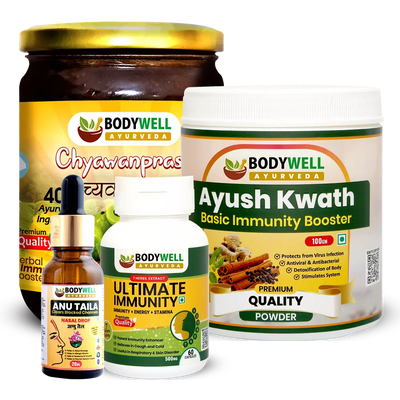
For general winter wellness support, Ashwagandha root powder (churna) can be traditionally consumed at a dosage of 3-6 grams daily, often mixed with warm milk and a touch of honey, preferably before bedtime to support restful sleep. Amla fruit powder can be taken at 3-5 grams daily, mixed with warm water or honey, ideally in the morning. Guduchi stem powder is typically used at 3-6 grams daily, often as a decoction or with warm water. These can be integrated into a daily regimen (Dinacharya) during the colder months. For a comprehensive approach to winter immunity, consider formulations that combine these herbs, such as the BodyWell Ultimate Immunity Capsule, which includes Amla, Giloy, and Ashwagandha. Individuals who are pregnant, nursing, or on ongoing medication should consult a qualified Ayurvedic practitioner or a registered doctor before incorporating new herbal supplements into their routine. Additionally, those with specific health conditions should seek professional guidance to ensure appropriate usage and dosage. For further respiratory support, consider exploring Ayurvedic Pathways to Seasonal Comfort: Nurturing Respiratory Resilience.FAQs
Q: Why is winter a crucial time for immunity in Ayurveda?
A: Ayurveda considers winter a vital season for building immunity because the external cold strengthens internal digestive fire (Agni). This enhanced Agni allows for better assimilation of nourishing foods, which in turn helps build Ojas, the vital essence supporting immunity and vitality.
Q: How do Vata and Kapha doshas relate to winter immunity?
A: Winter's cold, dry, and light qualities naturally increase Vata dosha, while its heavy, damp, and slow aspects lead to Kapha accumulation. An imbalance in these doshas can compromise immunity, making it essential to adopt practices that pacify Vata and prevent excessive Kapha buildup.
Q: Can I take these herbs if I am generally healthy?
A: Yes, these Ayurvedic herbs are traditionally used as Rasayanas (rejuvenators) to support general wellness and build resilience. However, individual constitutions vary, and consulting a qualified Ayurvedic practitioner can help tailor recommendations for optimal benefits.
Q: What dietary adjustments does Ayurveda recommend for winter immunity?
A: Ayurveda advises consuming warm, cooked, nourishing, and easily digestible foods to support strong Agni in winter. Emphasize warming spices like ginger, turmeric, and black pepper, and avoid cold, raw, or excessively dry foods that can aggravate Vata.
Q: Are there any lifestyle practices to complement winter immunity herbs?
A: Absolutely. Daily warm oil self-massage (Abhyanga), gentle exercise, adequate rest, and maintaining a consistent daily routine (Dinacharya) are highly recommended. These practices help to ground Vata, reduce Kapha stagnation, and support overall physiological balance during winter.
References
1. Nutraceutical for winter in India
2. An Overview on Ashwagandha: A Rasayana (Rejuvenator) of Ayurveda