Punarnava's Ayurvedic Role in Monsoon Fluid Balance & Kidney Support
⏱ 8 min read·Updated Aug 2026·0% read

Embracing Punarnava for Monsoon Fluid Balance and Kidney Vitality
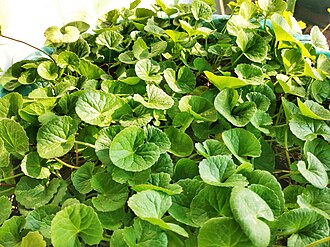
Punarnava (Boerhavia diffusa), a cornerstone herb in Ayurvedic tradition, is traditionally valued for its profound role in supporting healthy fluid balance and kidney function, especially pertinent during the monsoon season when environmental humidity and dampness can influence the body's internal fluid dynamics and doshic equilibrium. This herb, known as 'renewer' or 'one that renews the body' in Sanskrit, is classified in classical Ayurvedic texts like the Charaka Samhita and Sushruta Samhita as a rasayana, suggesting its potential to support overall vitality and rejuvenation.
Punarnava's Core Benefits for Seasonal Wellbeing
- Supports healthy fluid balance: Punarnava is traditionally used to support the body's natural mechanisms for managing fluid levels, which can be particularly beneficial during monsoon when external atmospheric moisture can impact internal fluid regulation. In Ayurveda, this action is primarily attributed to its ability to pacify Kapha dosha, which, when aggravated by the dampness of monsoon, can lead to imbalances in fluid retention.
- Promotes comfortable urinary tract function: The herb is valued in Ayurveda for supporting the healthy flow within the urinary system, thereby assisting the body's natural elimination processes. Its traditional use is rooted in its ushna virya (heating potency) and tikta (bitter) and kashaya (astringent) rasa, which help to balance Kapha and Vata, supporting the natural cleansing of the urinary channels.
- Supports kidney vitality: Punarnava is associated with supporting the kidneys' natural ability to filter waste and maintain overall health. Modern research suggests it may support kidney health by modulating various biochemical pathways. This traditional understanding aligns with its guna of ruksha (dry) and laghu (light), which can help counter the heavy and moist qualities of aggravated Kapha affecting kidney function during the monsoon.
- Maintains healthy inflammatory responses within the body: In Ayurvedic practice, Punarnava is traditionally used to support the body's natural inflammatory responses, contributing to overall comfort and balance, particularly in contexts where fluid imbalances might contribute to discomfort. This is often linked to its Kapha-pacifying and Pitta-balancing properties.
The Ayurvedic Perspective on Punarnava
Punarnava primarily acts to pacify Kapha dosha due to its inherent qualities, making it especially relevant during the monsoon season when Kapha tends to accumulate due to the cool, damp, and heavy environmental conditions. It also has a balancing effect on Vata dosha, particularly when Vata is aggravated by changes in weather and diet, which can impact fluid movement. Its Ayurvedic properties include a rasa (taste) that is predominantly tikta (bitter) and kashaya (astringent), with a subtle madhura (sweet) aftertaste. The virya (potency) of Punarnava is ushna (heating), which helps to counter the cold and dampness of the monsoon season and supports Agni (digestive fire). Its vipaka (post-digestive effect) is katu (pungent), further supporting its cleansing and drying actions. Key gunas (qualities) include ruksha (dry), laghu (light), and tikshna (sharp). These qualities collectively contribute to its traditional use in supporting the healthy elimination of excess fluids and maintaining the integrity of the urinary system. The classical texts, such as the Charaka Samhita, mention Punarnava in various formulations traditionally used for supporting fluid balance and kidney health. It is often combined with other herbs to enhance its efficacy, sometimes taken with an anupana of warm water or honey, depending on the specific doshic imbalance.
Practical Approaches to Using Punarnava
Punarnava is commonly available in various forms, including churna (powder), capsules, and as a component in traditional Ayurvedic decoctions. For general wellbeing and fluid balance support, a typical dosage of Punarnava churna might range from 1-3 grams, taken twice daily, traditionally with warm water or honey. When using capsules, it is advisable to follow the dosage instructions provided by a qualified Ayurvedic practitioner or on the product label, as concentrations can vary. The best timing for consumption is often before meals to optimize its absorption and action. As with any herbal supplement, individuals who are pregnant, breastfeeding, or on ongoing medication should exercise caution and consult a qualified Ayurvedic practitioner or a registered doctor before incorporating Punarnava into their routine to ensure its suitability and avoid potential interactions. For instance, those with existing kidney conditions or blood pressure concerns should seek professional medical advice. For further guidance on monsoon wellness, one might explore Ayurvedic Monsoon Balance: Pacifying Kapha with Diet & Lifestyle.
FAQs on Punarnava and Monsoon Wellness
Q: How does Punarnava traditionally support fluid balance during monsoon?
A: Punarnava traditionally supports fluid balance during monsoon by pacifying aggravated Kapha dosha, which tends to increase due to the season's damp and heavy qualities, helping the body's natural processes of fluid elimination.
Q: Can Punarnava be taken with other Ayurvedic herbs?
A: Yes, Punarnava is frequently used in traditional Ayurvedic formulations alongside other herbs to synergistically support various bodily functions. It's often combined to enhance its specific actions or to balance its properties.
Q: What are the Ayurvedic tastes (rasa) of Punarnava?
A: In Ayurveda, Punarnava is characterized by predominantly bitter (tikta) and astringent (kashaya) tastes, with a subtle sweet (madhura) aftertaste, contributing to its diverse therapeutic actions.
Q: Is Punarnava suitable for everyone during the monsoon season?
A: While generally considered supportive for monsoon wellness, individuals who are pregnant, breastfeeding, or on medication should consult a qualified Ayurvedic practitioner or a registered doctor before using Punarnava to ensure it is appropriate for their specific health needs.
Q: How does Punarnava's heating potency (virya) benefit monsoon health?
A: Punarnava's ushna (heating) virya helps to counter the cold and damp qualities prevalent during the monsoon, thereby supporting Agni (digestive fire) and assisting in the natural elimination of accumulated Kapha and toxins.
References
- Prajapati, P. K., & Kumar, A. (2013). Punarnava (Boerhavia diffusa Linn.): A review of its traditional uses, phytochemistry, pharmacology and clinical studies. Journal of Pharmacognosy and Phytochemistry, 2(3), 175-180.
- Singh, P., & Singh, A. (2013). A review on Boerhaavia diffusa L. (Punarnava): A potential traditional medicinal plant. International Journal of Pharmaceutical Sciences Review and Research, 22(1), 17-22.
- Goyal, M., & Singh, A. (2013). Boerhavia diffusa Linn.: A review on its ethnopharmacology, phytochemistry and pharmacology. International Journal of Pharmaceutical Sciences Review and Research, 22(1), 17-22.
- Mehta, M., & Kaur, P. (2011). Boerhaavia diffusa: A review. Journal of Pharmaceutical Sciences and Research, 3(1), 22-26.
- Singh, R. K., & Singh, P. K. (2011). Pharmacological activities of Boerhaavia diffusa Linn.: A review. Journal of Natural Products, 4(1), 1-6.
Related Articles