Ayurvedic Herbs: Nurturing Liver Vitality for Metabolic Harmony
⏱ 19 min read·Updated Aug 2026·0% read

Elevating Hepatic Function Through Ayurvedic Botanicals
Ayurvedic herbs support healthy liver function by addressing the root causes of imbalance, primarily focusing on the liver's role in metabolism and detoxification. In Ayurveda, the liver, or Yakrit, is considered the seat of Ranjaka Pitta, the sub-dosha responsible for imparting color to the blood and governing crucial metabolic transformations. When Ranjaka Pitta is balanced and Agni (digestive fire) is robust, the liver efficiently filters toxins (Ama) and supports the conversion of Rasa Dhatu (plasma) into Rakta Dhatu (blood), ensuring overall vitality and preventing the accumulation of impurities that can lead to various health issues.
Synergistic Actions for Liver Wellness
- Promotes Healthy Bile Flow: Herbs like Kutki (Picrorhiza kurroa) stimulate bile secretion, essential for fat digestion and the elimination of metabolic waste. Kutki, with its intensely bitter taste (Tikta rasa) and cooling potency (Sheeta Virya), actively supports the liver and gallbladder, aiding in the proper flow of bile and reducing stagnation. Limited clinical trials in patients with viral hepatitis have suggested faster normalization of liver function markers with Kutki supplementation.
- Supports Cellular Protection and Regeneration: Bhringaraj (Eclipta alba) is revered for its hepatoprotective properties, helping shield liver cells from damage and promoting their regeneration. Its phytochemicals, including coumestans and saponins, exhibit antioxidant and anti-inflammatory activities, which are crucial for maintaining liver integrity. Bhringaraj improves bile flow, supports digestion, detoxifies the body, protects liver cells from damage, and promotes liver regeneration.
- Assists in Detoxification Pathways: Punarnava (Boerhavia diffusa) is traditionally recognized for its ability to cleanse and rejuvenate the liver and kidneys. Its diuretic and anti-inflammatory properties aid in flushing out excess fluids and toxins, thereby reducing the liver's toxic load. A small clinical study indicated that patients with non-alcoholic fatty liver disease showed improved liver enzyme profiles after 12 weeks of supplementation with Punarnavarishta, a classical Ayurvedic formulation containing Punarnava.
- Modulates Lipid Metabolism: Berberine, an isoquinoline alkaloid found in herbs like Daruhaldi (Berberis aristata), has been shown in clinical trials to reduce liver fat accumulation in individuals with non-alcoholic fatty liver disease (NAFLD) by activating AMP-activated protein kinase (AMPK). This activation shifts the liver from a fat-storing to a fat-burning state, leading to reductions in liver enzymes (ALT and AST) and improved insulin sensitivity in metabolically compromised individuals.
The Ayurvedic Perspective on Liver Health
In Ayurveda, liver health is intrinsically linked to the balance of Pitta Dosha, particularly Ranjaka Pitta, which governs blood formation and coloration. An aggravated Pitta, often due to excessive heat (Ushna Guna) and sharp qualities (Tikshna Guna), can lead to an overburdened liver, manifesting as inflammation, impaired detoxification, and the accumulation of Ama. The Ayurvedic approach to liver support centers on pacifying this excess Pitta and enhancing Agni without aggravating the delicate balance.
Herbs beneficial for the liver typically possess a bitter (Tikta) and sometimes pungent (Katu) Rasa (taste), with a cooling (Sheeta) Virya (potency) and a pungent (Katu) Vipaka (post-digestive effect). Their key Gunas (qualities) often include light (Laghu) and dry (Ruksha), which help to reduce stagnation and clear toxins. For instance, Kutki exemplifies these qualities with its Tikta rasa, Sheeta virya, and Katu vipaka, making it highly effective for stimulating bile secretion and protecting hepatocytes from oxidative damage. Similarly, Bhringaraj has Katu and Tikta rasa, Ushna virya, and Katu vipaka, working to balance both Pitta and Vata doshas. These herbs are often found in classical formulations aimed at liver support, and their traditional anupana (vehicle) might be warm water or ghee, depending on the specific imbalance. The Charaka Samhita and Sushruta Samhita praise herbs like Guduchi (Tinospora cordifolia) for their "yakrit vikaraghna" properties, meaning "destroyers of liver disorders".
Optimal Usage Protocols
Ayurvedic herbs for liver support are typically utilized in various forms, including churna (powder), decoctions, or capsules, depending on the herb and desired effect. For a general liver tonic, a common dosage for Kutki churna is 250-500 mg, taken twice daily with warm water or honey after meals. Bhringaraj powder can be taken in similar doses, often with warm water or as part of a liver-supporting herbal blend. Punarnava churna, due to its diuretic properties, might be taken as 1-2 grams twice daily with warm water.
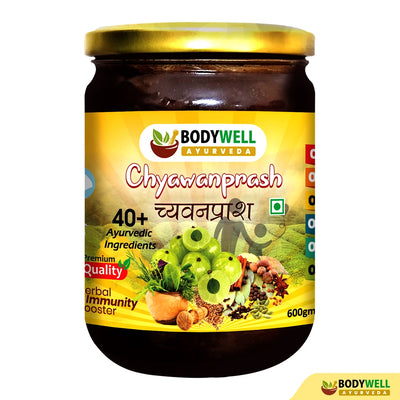
For individuals seeking comprehensive wellness, BodyWell Chyawanprash, a traditional Ayurvedic formulation with over 40 herbs, supports overall vitality, including the metabolic functions that indirectly benefit the liver. It is crucial to consult a qualified Ayurvedic practitioner or healthcare provider before incorporating any new herbal regimen, especially for pregnant or lactating women, individuals on ongoing medications due to potential drug interactions, or those with pre-existing liver conditions. While generally safe, some Ayurvedic herbs, particularly in complex polyherbal formulations, have been associated with liver injury in rare cases, underscoring the importance of professional guidance and sourcing high-quality products. You may also find Ayurvedic Massage for Summer Nights: Cooling Pitta for Deeper Sleep helpful.
Frequently Asked Questions
Q: Which Ayurvedic herbs are most effective for liver detoxification?
A: Key Ayurvedic herbs for liver detoxification include Kutki, Bhringaraj, and Punarnava. These herbs are traditionally used to balance Pitta dosha, stimulate bile flow, and support the elimination of toxins (Ama) from the liver and circulatory system.
Q: Can Ayurvedic herbs reverse liver damage?
A: While Ayurvedic herbs like Kutki and Bhringaraj are traditionally used to support liver cell regeneration and protection, they are not a substitute for conventional medical treatment for severe liver damage. They can be a supportive therapy to improve liver function and reduce oxidative stress, but always under professional guidance.
Q: Are there any side effects when using Ayurvedic herbs for liver health?
A: When used appropriately under the guidance of a qualified practitioner and sourced from reputable brands, Ayurvedic herbs are generally considered safe. However, high doses or complex, unlabelled polyherbal formulations have been rarely associated with adverse effects, including potential liver injury, so caution and professional consultation are advised.