Ayurvedic Adaptogens for Festive Season Stress and Anxiety
⏱ 20 min read·Updated Aug 2026·0% read

Navigating Festive Stress with Ayurvedic Adaptogens
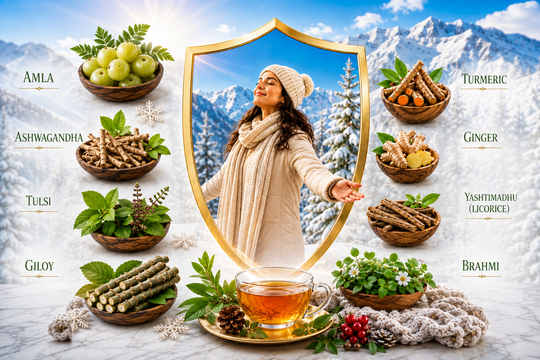
Ayurvedic adaptogens such as Ashwagandha (Withania somnifera), Brahmi (Bacopa monnieri), Tulsi (Ocimum sanctum), and Jatamansi (Nardostachys jatamansi) are traditionally valued for supporting the body's natural capacity to manage stress and promote a calm, balanced mood, which is especially beneficial during the often-hectic festive seasons. These potent herbs function by modulating the body's response to various stressors, helping to maintain physiological equilibrium (homeostasis) and enhance overall resilience. In Ayurveda, stress and anxiety are often linked to imbalances in Vata and Pitta doshas, and these adaptogens are selected for their specific qualities that help pacify these aggravated energies.
Ayurvedic Pillars of Emotional Resilience
- Supports a calm and balanced mood: Ashwagandha, known as a prominent adaptogen, is traditionally used to support the nervous system, helping to reduce feelings of anxiousness and promote mental tranquility. Research indicates that Ashwagandha root and leaf extracts may positively impact stress and anxiety by modulating the sympathetic–adrenal–medullary (SAM) axis, the body's stress response system. A 2024 meta-analysis found significant reductions in Hamilton Anxiety Scale scores and serum cortisol levels with Ashwagandha supplementation.
- Enhances cognitive function and mental clarity: Brahmi is traditionally valued as a Medhya Rasayana, an herb that supports intellect and memory. Its compounds are believed to support nerve signal transmission and the growth of nerve endings, crucial for information processing. Studies suggest Brahmi can help improve memory acquisition, information processing, and retention, supporting mental clarity often challenged by stress.
- Promotes restful sleep patterns: Jatamansi is traditionally used to support sound sleep by calming the nervous system. In Ayurveda, disturbed sleep is often attributed to an aggravated Vata dosha, and Jatamansi's properties help to pacify this imbalance. A randomized crossover trial showed subjective sleep latency improved by 25% when Jatamansi Ark was taken at bedtime with warm milk.
- Supports overall physiological balance and immunity: Tulsi, or Holy Basil, is revered as "The Queen of Herbs" in Ayurveda for its adaptogenic properties that help the body adapt to various stressors. It is traditionally used to support immune function and overall vitality. Clinical studies suggest Tulsi may reduce self-reported stress, anxiety, and depression, and participants taking Tulsi twice daily showed significant cortisol reductions versus placebo.
The Ayurvedic Perspective on Stress Adaptogens
In Ayurveda, stress and anxiety are frequently understood as manifestations of imbalanced Vata and Pitta doshas. Vata, characterized by air and space elements, governs movement and the nervous system. When aggravated, it can lead to restlessness, racing thoughts, insomnia, and nervous debility. Pitta, composed of fire and water, governs metabolism and transformation, and its imbalance can manifest as irritability, anger, and mental agitation. Ayurvedic adaptogens work to restore harmony to these doshas.
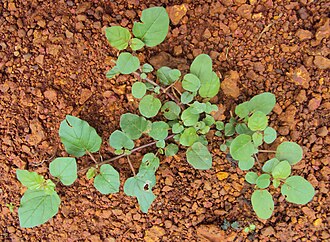
Ashwagandha (Withania somnifera) is predominantly Vata-pacifying due to its heavy (guru), unctuous (snigdha) qualities and sweet (madhura) and bitter (tikta) tastes. Its heating (ushna) potency and sweet (madhura) post-digestive effect (vipaka) deeply nourish the nervous system, helping to ground Vata. It is classically mentioned in the Charaka Samhita as a Rasayana, a rejuvenative herb.
Brahmi (Bacopa monnieri) primarily pacifies Vata and Pitta doshas. Its bitter (tikta) and astringent (kashaya) tastes, light (laghu), flowing (sara) qualities, and cooling (sheeta) potency help calm mental overactivity and reduce internal agitation. Brahmi is considered a Medhya Rasayana, specifically supporting the mind and nervous system, as detailed in classical texts like the Ashtanga Hridaya.
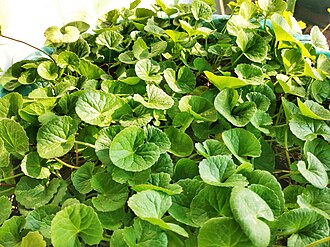
Tulsi (Ocimum sanctum) balances Kapha and Vata doshas, with a pungent (katu) and bitter (tikta) taste, light (laghu) and dry (ruksha) qualities, and heating (ushna) potency. It is traditionally used to clear excess secretions and promote mental clarity. Tulsi's adaptogenic qualities are well-documented in traditional Ayurvedic practice, where it is often consumed as a daily tea for overall well-being.
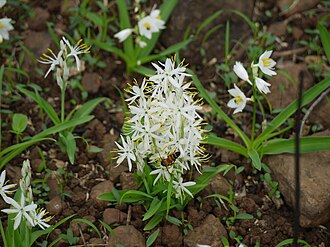
Jatamansi (Nardostachys jatamansi) is a potent Tridosha-balancing herb, particularly effective in pacifying Vata and Pitta. Its bitter (tikta), astringent (kashaya), and sweet (madhura) tastes, light (laghu) and unctuous (snigdha) qualities, and cooling (sheeta) potency contribute to its mind-calming (Manasa Prashamana) effects. It is often used with warm water or ghee as an anupana (carrier) for deeper soothing effects.
Nourishing Calm: Practical Usage of Adaptogens
For incorporating Ayurvedic adaptogens, various forms are available. Ashwagandha root powder (churna) is commonly taken in doses of 1-3 grams, often mixed with warm milk or ghee, preferably before bedtime to support restful sleep, or in the morning for sustained energy. Standardized extracts in capsule form, typically 250-600 mg daily, are also widely used.
Brahmi can be consumed as a powder, with a recommended daily dose of 1-3 grams mixed with warm water or milk, ideally in the morning on an empty stomach for cognitive benefits, or in the evening for anxiety relief. Capsules containing 250-500 mg of standardized extract, taken twice daily, are also common.
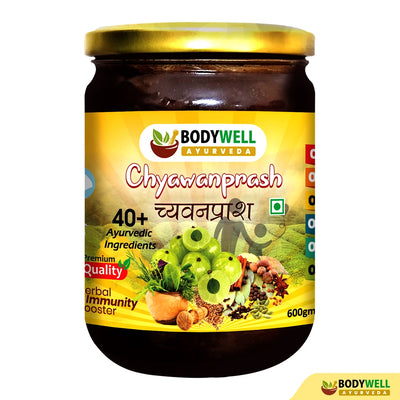
Tulsi can be enjoyed as a tea by steeping 1-3 grams of dried leaves, 1-3 cups daily. Fresh Tulsi leaves (5-7) can also be chewed daily. Standardized extracts typically range from 300-1200 mg per day. For holistic well-being, our Chyawanprash With 40+ Ayurvedic Herbs contains several adaptogenic herbs, including Amla and Guduchi, which traditionally support overall vitality and immunity.
Jatamansi powder is typically used in doses of 1-3 grams twice daily with warm water or honey. Jatamansi Ark (distilled liquid) can be taken in doses of 5-10 ml, twice daily, often with warm water, milk, or ghee. Topical application of Jatamansi oil is also traditionally used for its calming effects.
Individuals who are pregnant, breastfeeding, or on ongoing medication should consult a qualified Ayurvedic practitioner or a registered doctor before incorporating these herbs into their routine to ensure safety and appropriate dosage.
FAQs on Ayurvedic Adaptogens for Stress
Q: What makes Ayurvedic adaptogens different from other stress remedies?
A: Ayurvedic adaptogens are unique because they holistically support the body's natural resilience to stress by balancing specific doshas like Vata and Pitta, rather than merely suppressing symptoms. They aim to restore physiological equilibrium over time, promoting long-term well-being and vitality.
Q: Can I take multiple Ayurvedic adaptogens together?
A: While some adaptogens can be combined, it is crucial to consult a qualified Ayurvedic practitioner. They can assess your individual constitution (Prakriti) and current imbalances (Vikriti) to recommend a safe and effective combination and dosage tailored to your specific needs.
Q: How long does it take to experience benefits from Ayurvedic adaptogens?
A: The effects of Ayurvedic adaptogens are generally gradual and cumulative, aiming for deep-rooted balance rather than instant results. While some individuals may notice subtle shifts within a few weeks, significant and sustained benefits often become apparent after consistent use over several weeks to a few months.
Q: Are there any dietary considerations when taking these adaptogens?
A: Ayurvedic principles emphasize a holistic approach, so integrating adaptogens with a dosha-appropriate diet is beneficial. Generally, warm, nourishing, and easily digestible foods are recommended to support Agni (digestive fire) and enhance the herbs' efficacy, particularly for Vata-pacifying herbs.
Q: Can Ayurvedic adaptogens replace conventional medication for stress and anxiety?
A: No, Ayurvedic adaptogens are not a replacement for prescription medicine or professional medical care for diagnosed conditions like anxiety disorders. They are intended to complement conventional treatments by supporting the body's natural adaptive mechanisms and promoting overall well-being. Always consult a registered doctor or qualified Ayurvedic practitioner for serious health concerns.