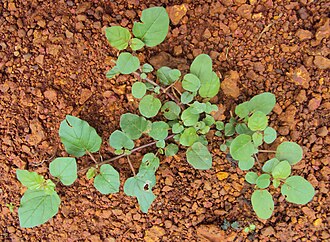
Ashwagandha for Professionals: Cultivating Calm and Focus
⏱ 14 min read·Updated Aug 2026·0% read

Cultivating Inner Resilience in the Professional Landscape
Ashwagandha (Withania somnifera) is a cornerstone herb in Ayurvedic tradition, deeply valued for its adaptogenic properties that traditionally support the body's ability to navigate the mental and physical demands of professional life. This botanical is particularly relevant for individuals experiencing the unique pressures of modern work, where sustained focus and emotional equilibrium are paramount.
Supporting Well-being for the Driven Professional
- Supports a calm, balanced mood: Ashwagandha is traditionally used to support the nervous system, helping to maintain emotional equilibrium during periods of increased demand. Research suggests that daily supplementation with Ashwagandha extract may significantly reduce perceived stress scores and lower serum cortisol levels, a key stress hormone.
- Aids sustained mental clarity and focus: For professionals requiring consistent cognitive performance, Ashwagandha is valued in Ayurveda for its traditional role in supporting mental acuity. Studies indicate that Ashwagandha supplementation may contribute to improved attention, reaction time, and reduced mental fatigue, fostering a clearer mind.
- Promotes restful sleep patterns: The botanical name somnifera, meaning "sleep-bearing," hints at Ashwagandha's traditional use in promoting restorative sleep. By supporting a balanced nervous system, it may help individuals achieve deeper, more consistent rest, which is crucial for daily rejuvenation and productivity.
- Enhances the body's natural energy and vitality: Ashwagandha is traditionally used to support overall physical strength and resilience. It is considered a Balya (strength-promoting) herb in Ayurvedic texts, helping to support sustained energy levels without the stimulating effects often associated with caffeine.
The Ayurvedic Perspective: Balancing Vata and Ojas
In Ayurveda, Ashwagandha primarily pacifies the Vata dosha, which, when imbalanced, manifests as anxiety, restlessness, fatigue, and scattered focus – common challenges for working professionals. It also helps to balance Kapha dosha. Its traditional Ayurvedic properties are characterized by:
- Rasa (Taste): Madhura (sweet), Tikta (bitter), Kashaya (astringent).
- Virya (Heating/Cooling Potency): Ushna (warming).
- Vipaka (Post-digestive Effect): Madhura (sweet).
- Guna (Qualities): Guru (heavy), Snigdha (unctuous/oily). These qualities contribute to its grounding and nourishing effects, which are particularly beneficial for mitigating the drying and depleting nature of aggravated Vata.
Ashwagandha is consistently referenced in classical Ayurvedic texts. The Charaka Samhita classifies it as both Balya (strength-supporting) and Rasayana (tissue-renewing), highlighting its role in rebuilding vitality. The Sushruta Samhita describes Ashwagandha as a nourishing herb traditionally used in formulations intended to support strength, vitality, and recovery, particularly for individuals experiencing depletion or increased Vata. It is also valued for enhancing Ojas, the vital essence responsible for immunity and energy. Traditionally, Ashwagandha is often taken with an anupana of warm milk, honey, or ghee, which are considered ideal vehicles to enhance its bioavailability and absorption, especially for its Balya and Rasayana properties.
Integrating Ashwagandha into Your Daily Professional Routine
Ashwagandha is commonly available in various forms, with root powder (churna) and capsules being most prevalent. For general well-being and stress support, a typical dosage of a standardized Ashwagandha extract ranges from 300 to 600 mg daily, often divided into two doses. When opting for raw root powder, a dosage of 1-2 teaspoons (approximately 3-6 grams) daily is traditionally suggested. It is generally recommended to take Ashwagandha with food to help reduce any potential stomach upset. Taking it with warm milk, particularly in the evening, is a traditional Ayurvedic practice to support restful sleep and nervous system balance.
Individuals who are pregnant or breastfeeding should avoid Ashwagandha. Those with autoimmune conditions, thyroid disorders, or who are on medications for diabetes, high blood pressure, or sedatives should consult a qualified Ayurvedic practitioner or a registered doctor before incorporating Ashwagandha into their routine, as it may interact with certain medications.
FAQs
Q: How does Ashwagandha support stress management for professionals?
A: Ashwagandha is traditionally valued as an adaptogen, helping the body adapt to various stressors. It may help regulate cortisol levels, promoting a sense of calm and resilience against the pressures of a demanding work environment. You may also find Ashwagandha for Stress Resilience: An Ayurvedic Perspective helpful.
Q: Can Ashwagandha help with focus and mental clarity during work?
A: Yes, Ashwagandha is traditionally associated with supporting cognitive function. Research suggests it may help improve attention and reaction time, contributing to enhanced mental clarity and focus, which are essential for professional tasks. You may also find our guide on "ashwagandha: unveiling the herbal marvel's surprising benefits and growing popularity" helpful.
Q: What is the best time of day for a professional to take Ashwagandha?
A: The timing can depend on individual needs. For overall stress support, it can be taken in divided doses throughout the day. If restful sleep is a primary goal, taking Ashwagandha with warm milk in the evening is a traditional Ayurvedic practice.
Q: Are there any specific Ayurvedic dietary recommendations to complement Ashwagandha for professionals?
A: To complement Ashwagandha's effects, Ayurvedic principles suggest a Vata-pacifying diet, which includes warm, nourishing, and easily digestible foods. Avoiding excessive cold, dry, or processed foods can further support nervous system balance.
Q: When should a professional avoid taking Ashwagandha?
A: Professionals who are pregnant or breastfeeding, have autoimmune diseases, thyroid conditions, stomach ulcers, or are on specific medications (for diabetes, blood pressure, sedatives, immunosuppressants) should avoid Ashwagandha or consult a qualified Ayurvedic practitioner or doctor.