Musli: An Ayurvedic Guide to Enhanced Vitality and Athletic Support
⏱ 19 min read·Updated Aug 2026·0% read

Safed Musli (Chlorophytum borivilianum) is a revered Ayurvedic herb, often called 'White Gold' or 'Divya Aushadhi', traditionally valued for its exceptional ability to support overall vitality, strength, and physical performance. Classified as a 'Rasayana' herb in classical Ayurveda, it signifies a rejuvenative substance that helps maintain vigor and balance within the body. This potent root is recognized for its rich concentration of beneficial bioactive compounds, including saponins and alkaloids, which contribute to its diverse applications in traditional wellness practices.
Optimizing Physical Resilience: Musli's Support for Athletes
- Supports physical strength and endurance: Safed Musli is traditionally used to support increased physical capacity and stamina, making it a valuable herb for athletes and individuals engaged in strenuous physical activity. This is attributed to its ability to nourish the Dhatus (bodily tissues) and replenish Ojas (vital essence), thereby helping to counteract fatigue and support sustained energy levels. Research suggests that Chlorophytum borivilianum may support physical performance.
- Aids in post-exertion recovery: The herb is valued in Ayurveda for its potential to support muscle recovery following intense physical exertion. It is believed to help reduce fatigue and support the body's natural restorative processes, contributing to quicker recuperation and improved readiness for subsequent physical activity.
- Supports a calm and balanced response to stress: As an adaptogenic herb, Safed Musli traditionally helps the body adapt to various forms of stress, including physical stressors associated with athletic training. By supporting the body's innate resilience, it may help maintain a calm, balanced mood and support overall mental clarity, which is crucial for consistent performance.
The Ayurvedic Perspective on Musli's Energetic Actions
In Ayurveda, Safed Musli is primarily considered a Rasayana (rejuvenative) and Vajikarana (aphrodisiac) herb, indicating its profound ability to nourish, strengthen, and revitalize the body. It is traditionally understood to pacify both Vata and Pitta doshas while having the potential to increase Kapha dosha if used excessively or in individuals with pre-existing Kapha imbalances.
Its Ayurvedic properties are characterized by a sweet (madhura) taste (rasa), cooling (shita) potency (virya), and a sweet (madhura) post-digestive effect (vipaka). The key gunas (qualities) associated with Safed Musli are unctuous (snigdha) and heavy (guru), which contribute to its nourishing and grounding effects. This combination of properties makes it particularly beneficial for supporting tissues (dhatus), especially Shukra Dhatu (reproductive tissue), which is vital for overall vitality and strength.
Traditionally, Safed Musli is incorporated into various Ayurvedic formulations, notably Musli Pak, a classical preparation aimed at supporting strength and vitality. It is often taken with an anupana of warm milk or ghee, which are considered excellent carriers (vahana) in Ayurveda, enhancing the herb's absorption and potency. The Charaka Samhita and Sushruta Samhita, foundational texts of Ayurveda, describe herbs with similar qualities as beneficial for promoting strength and overall well-being.
Integrating Musli for Sustained Vitality
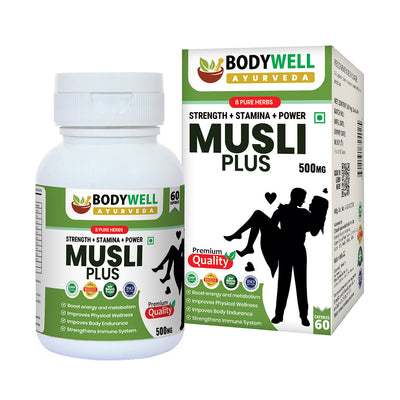
Safed Musli is typically available in powdered (churna) form or as capsules. For general wellness and vitality support, a common dosage is 1-3 grams of Safed Musli powder, taken once or twice daily. It is traditionally recommended to consume the powder mixed with warm milk and a teaspoon of ghee for enhanced absorption and nourishing effects. Alternatively, capsules containing standardized extracts are also available for convenience. For optimal benefits, consistent use for 2-3 months is often suggested.
Individuals who are pregnant or breastfeeding, those with underlying medical conditions, or those taking ongoing medications should consult a qualified Ayurvedic practitioner or a registered doctor before incorporating Safed Musli into their regimen. While generally well-tolerated, excessive consumption may lead to digestive heaviness or a mild reduction in appetite due to its heavy (guru) quality.
Frequently Asked Questions
Q: What is Safed Musli primarily used for in Ayurveda?
A: Safed Musli is primarily revered in Ayurveda as a Rasayana (rejuvenative) and Vajikarana (aphrodisiac) herb, traditionally used to support overall vitality, physical strength, and reproductive wellness in both men and women. It helps maintain vigor and balance within the body.
Q: Can Safed Musli be taken daily?
A: Yes, Safed Musli can be taken daily when consumed within recommended dosages and under the guidance of an Ayurvedic expert. Consistent use is often advised for supporting sustained benefits for vitality and strength.
Q: What is the best way to consume Safed Musli powder?
A: The traditional and often recommended way to consume Safed Musli powder is by mixing 1-3 grams with warm milk and a teaspoon of ghee, once or twice daily. This anupana is believed to enhance its absorption and nourishing properties.
Q: Are there any specific dosha imbalances that Safed Musli is best suited for?
A: Safed Musli is traditionally considered beneficial for pacifying Vata and Pitta doshas due to its sweet taste and cooling potency. However, due to its heavy and unctuous qualities, individuals with significant Kapha imbalances should use it cautiously or under expert guidance.
Q: Who should exercise caution when using Safed Musli?
A: Individuals who are pregnant or breastfeeding, those with pre-existing medical conditions, or those on medication should consult a qualified Ayurvedic practitioner or a registered doctor before using Safed Musli. This ensures appropriate usage and helps avoid potential interactions or complications.