Gotu Kola: An Ayurvedic Perspective on Cognitive & Skin Wellness
⏱ 19 min read·Updated Aug 2026·0% read

An Ancient Herb for Modern Well-being: The Ayurvedic Lens on Gotu Kola
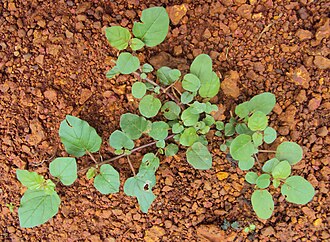
Gotu Kola (Centella asiatica), known in Sanskrit as Mandukaparni, is a distinguished herb in Ayurvedic tradition, primarily valued for its adaptogenic properties that traditionally support cognitive function, skin health, and overall systemic balance. This revered botanical is categorized as a Medhya Rasayana in classical Ayurveda, signifying its profound influence on the mind and nervous system, and its potential to rejuvenate the body and promote longevity.
Key Pathways to Enhanced Wellness
- Supports cognitive vitality and mental clarity. Gotu Kola is traditionally considered a brain tonic, helping to balance Sadhaka Pitta, which governs intellect and emotional processing, and pacify Vata dosha, which, when aggravated, can manifest as mental restlessness. Research suggests that Gotu Kola may help improve certain aspects of cognitive function in older adults with mild cognitive impairment.
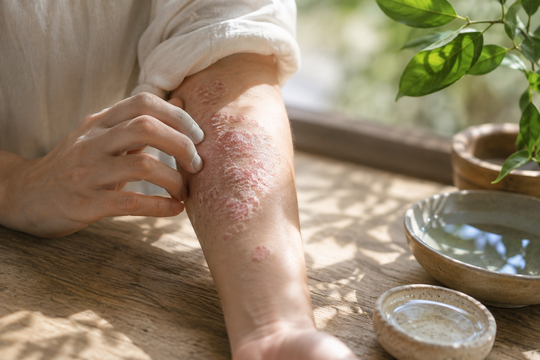
- Promotes healthy skin and supports wound healing. In Ayurveda, Gotu Kola is valued for its ability to balance Bhrajaka Pitta, associated with skin complexion and temperature, and to reduce Kapha, which can contribute to stagnation in tissues. Its traditional use involves supporting the body’s natural process of tissue repair and maintaining skin integrity.
- Supports healthy circulation and vascular comfort. Gotu Kola traditionally aids in maintaining balanced blood flow, particularly in the microcirculation, by addressing imbalances in Vata that can affect circulatory pathways. Studies indicate that Gotu Kola extracts may help improve vein function in individuals with venous insufficiency.
The Ayurvedic Perspective: Decoding Gotu Kola's Energetics
In Ayurvedic science, Gotu Kola is considered a Tridoshic herb, meaning it traditionally helps to balance all three doshas – Vata, Pitta, and Kapha – with a particular emphasis on pacifying Pitta and Kapha. Its Ayurvedic properties, known as Rasa-Virya-Vipaka, provide insight into its therapeutic actions. Gotu Kola possesses a Tikta (bitter) and Kashaya (astringent) Rasa, which are tastes that generally help to reduce Kapha and Pitta. Its Virya (potency) is Sheeta (cooling), making it beneficial for calming excess Pitta, which manifests as heat and inflammation in the body. The Vipaka (post-digestive effect) is Madhura (sweet), indicating its nourishing and rejuvenating qualities, especially for the nervous and reproductive tissues. Its key gunas (qualities) are Laghu (light) and Sara (mobile), contributing to its ability to clear stagnation and support healthy movement within the bodily channels.
Traditionally, Gotu Kola is celebrated as a Medhya Rasayana, an herb that supports intellect, memory, and overall mental faculties. It is mentioned in classical texts like the Charaka Samhita and Sushruta Samhita for its rejuvenating effects on the mind and its traditional use in supporting skin health (Kusthaghna) and preventing bleeding from high Pitta (Raktapittahara). It is also traditionally used to promote sleep (Nidrajanana) and acts as a heart tonic (Hridaya). The traditional anupana (vehicle) for Gotu Kola, when taken as a churna (powder), often involves warm milk or ghee, which further enhance its nourishing and calming effects on the nervous system.
Integrating Gotu Kola into Your Wellness Routine
Gotu Kola can be incorporated into a wellness regimen in various forms. As a churna or powder, a typical traditional dosage may be around 1-3 grams, taken once or twice daily. For capsules, follow the manufacturer's recommendations, usually 250-500 mg, 1-2 times a day. Decoctions can be prepared by simmering dried leaves in water. Topically, medicated oils infused with Gotu Kola are traditionally used for skin support. The best timing for oral intake is often in the morning to support cognitive function and in the evening to encourage relaxation. When taking the powder, it is traditionally consumed with warm milk, honey, or ghee to enhance absorption and mitigate its bitter taste. Individuals who are pregnant, breastfeeding, or taking ongoing medication should consult a qualified Ayurvedic practitioner or a registered doctor before using Gotu Kola, as individual responses can vary and potential interactions may occur.
FAQs
Q: Is Gotu Kola the same as Brahmi?
A: While both Gotu Kola and Bacopa monnieri are revered as "Brahmi" in different regional traditions for their cognitive-supporting properties, they are distinct plants. Gotu Kola is botanically known as Centella asiatica, while Bacopa is Bacopa monnieri.
Q: Can Gotu Kola be used for skin conditions?
A: Yes, in Ayurveda, Gotu Kola is traditionally valued for its role in supporting skin health. It is often used topically in medicated oils or pastes to promote healthy tissue repair and maintain skin vitality.
Q: What is the best way to consume Gotu Kola?
A: Gotu Kola can be consumed as a churna (powder), capsules, or a decoction. Traditionally, the powder is often taken with warm milk, honey, or ghee to enhance its nourishing qualities and palatability.
Q: Does Gotu Kola have any effect on digestion?
A: While not its primary action, Gotu Kola's bitter taste (Rasa) can traditionally support healthy digestive fire (Agni) by stimulating digestive secretions and clearing Kapha-related sluggishness.
Q: Are there any precautions for using Gotu Kola?
A: Individuals who are pregnant, breastfeeding, or on any medication should consult a qualified Ayurvedic practitioner or a registered doctor before using Gotu Kola to ensure its suitability and avoid potential interactions.