Monsoon Joint Care: Ayurvedic Pathways to Flexibility
⏱ 18 min read·Updated Aug 2026·0% read

During the monsoon season, Ayurvedic practices emphasize balancing aggravated Vata dosha through warming and lubricating therapies to enhance joint flexibility and comfort. The cool, damp, and windy conditions of Varsha Ritu naturally increase Vata, the dosha governing movement and lubrication within the body, which can manifest as stiffness, aches, and reduced mobility in the joints. Addressing this seasonal imbalance with specific Ayurvedic interventions, rooted in classical texts like the Charaka Samhita, can help maintain joint health and overall well-being.
Supporting Joint Mobility: Ayurvedic Insights
- Supports comfortable movement: Warm oil massages, particularly Abhyanga, are traditionally used to help reduce stiffness by nourishing the tissues and improving circulation around the joints. This practice helps counteract the dryness and cold qualities of aggravated Vata, which can lead to reduced natural lubrication (Shleshaka Kapha) within the joints.
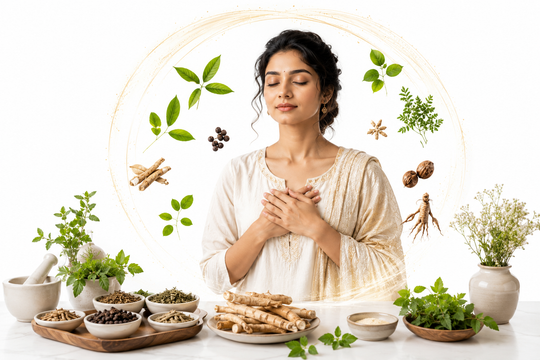
- Promotes natural flexibility: Incorporating specific Vata-pacifying herbs like Ashwagandha (Withania somnifera) may help support the strength of muscles and bones, contributing to better joint function. Ashwagandha is traditionally valued for its adaptogenic properties, which are associated with overall bodily resilience, including the musculoskeletal system.
- Aids in maintaining joint comfort: Herbs such as Guggulu (Commiphora mukul) are traditionally known for their detoxifying and anti-inflammatory effects. This can be particularly beneficial during the monsoon when weakened Agni (digestive fire) can lead to an accumulation of Ama (toxins) that may settle in the joints, contributing to discomfort.
- Supports healthy tissue function: Turmeric (Curcuma longa) is widely recognized in Ayurveda for its properties that support a healthy inflammatory response. Its inclusion in the diet or as a herbal supplement during monsoon may help maintain the integrity and comfort of joint tissues.
The Ayurvedic Perspective on Monsoon Joint Care
The monsoon season, known as Varsha Ritu in Ayurveda, is characterized by qualities of cold, dampness, and wind, which directly aggravate the Vata dosha. Vata, composed of the air and space elements, governs all movement in the body, including the smooth functioning of joints. When Vata is imbalanced, its inherent qualities of dry, light, cold, rough, and mobile can lead to symptoms like joint stiffness, cracking, reduced flexibility, and aches.
To counteract this, Ayurvedic practices focus on pacifying Vata. Herbs traditionally used for joint support during monsoon often possess a pungent (Katu) or bitter (Tikta) rasa, a heating (Ushna) virya, and a pungent (Katu) vipaka. For instance, Ashwagandha has a bitter and pungent rasa, a heating virya, and a pungent vipaka, which helps to warm the body and reduce Vata's cold and dry qualities. Guggulu, with its pungent and bitter rasa, heating virya, and pungent vipaka, is traditionally used to clear Ama and support healthy joint tissue. The Charaka Samhita, a foundational text, details the importance of Ritucharya (seasonal regimen) to adapt to these environmental changes, emphasizing measures that promote warmth and lubrication to prevent Vata aggravation. Traditional anupanas for these herbs often include warm water or ghee, which further aid in Vata pacification and absorption.
How to Use Ayurvedic Practices for Monsoon Joint Support
To support joint flexibility and comfort during the monsoon, incorporating specific Ayurvedic practices and herbal formulations can be beneficial. Regular self-massage, or Abhyanga, with warm sesame oil or Mahanarayan oil is highly recommended. Apply the oil generously to the joints and the entire body before showering, allowing it to penetrate for 15-20 minutes. This helps to lubricate the joints, reduce Vata dryness, and improve circulation.
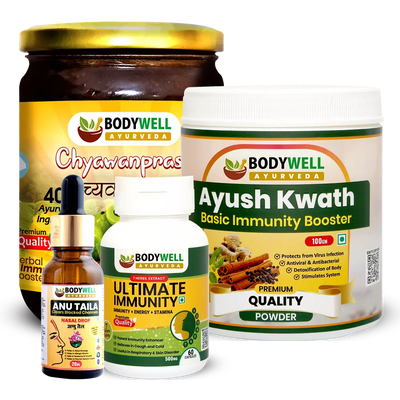
For internal support, herbal formulations containing Ashwagandha, Guggulu, Shallaki (Boswellia serrata), and Turmeric are traditionally used. These can be taken as churna (powder) or capsules. A typical dosage might involve 1-2 grams of churna or 1-2 capsules (depending on concentration) twice daily, preferably with warm water or milk, after meals. Chyawanprash, a traditional Ayurvedic herbal jam with over 40 herbs, is also valued for supporting overall immunity and vitality during monsoon and can be taken daily.
Dietary adjustments are also crucial: favor warm, cooked, and easily digestible foods such as khichdi, soups, and stews. Avoid cold, raw, and heavy foods that can weaken Agni and increase Ama. Individuals with existing health conditions, those who are pregnant, or those on ongoing medication should always consult a qualified Ayurvedic practitioner or a registered doctor before starting any new herbal regimen.FAQs on Monsoon Joint Care
Q: Why do joints feel stiffer during monsoon?
A: Joint stiffness during monsoon is primarily attributed to the aggravation of Vata dosha, influenced by the season's cold, damp, and windy qualities. This imbalance can reduce natural joint lubrication and increase dryness, leading to discomfort and reduced flexibility.
Q: Which Ayurvedic herbs are traditionally used for monsoon joint support?
A: Herbs like Ashwagandha, Guggulu, Shallaki, and Turmeric are traditionally used in Ayurveda to support joint comfort and flexibility during the monsoon. These herbs are valued for their Vata-pacifying properties and their role in maintaining healthy tissue function.
Q: Is warm oil massage beneficial for monsoon joint discomfort?
A: Yes, warm oil massage (Abhyanga) with oils like sesame or Mahanarayan oil is highly beneficial. It helps to counteract the cold and dry qualities of aggravated Vata, nourishing the joint tissues and promoting better circulation, which may help reduce stiffness.
Q: What dietary changes are recommended during monsoon for joint health?
A: During monsoon, it is recommended to consume warm, cooked, and easily digestible foods. Avoiding cold, raw, and heavy foods helps maintain strong digestive fire (Agni), which is crucial for preventing Ama accumulation that can affect joint comfort.
Q: When should one consult a doctor for monsoon-related joint issues?
A: While Ayurvedic practices can offer significant support, it is important to consult a qualified Ayurvedic practitioner or a registered doctor if joint pain is severe, persistent, or accompanied by swelling, redness, or fever. This ensures proper diagnosis and an appropriate treatment plan.