Monsoon Headaches & Body Discomfort: An Ayurvedic Compass
⏱ 8 min read·Updated Aug 2026·0% read

Introduction to Monsoon Discomfort through an Ayurvedic Lens
Monsoon-related headaches and general body discomfort, such as muscle aches and joint stiffness, are often attributed in Ayurveda to the aggravation of Vata dosha due to the season's cold, damp, and windy qualities. This seasonal shift, known as Varsha Ritu, naturally weakens Agni (digestive fire) and increases Vata, leading to symptoms like throbbing headaches, body aches, and stiffness. Ayurveda emphasizes adapting daily routines and dietary choices during this period to maintain doshic balance and support overall well-being.
Ayurvedic Pathways to Soothe Discomfort
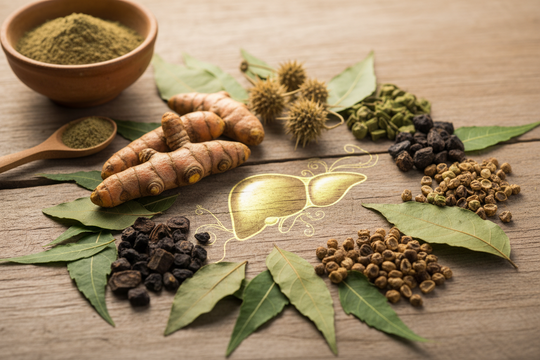
- Supports Comfortable Head and Body Sensation: The classical Ayurvedic formulation Pathyakshadhatryadi Kashayam, containing key herbs like Haritaki and Bibhitaki, is traditionally used to support comfortable sensations in both the head and body. This polyherbal decoction works by balancing Vata and Pitta doshas, which are often implicated in various forms of head and body discomfort.
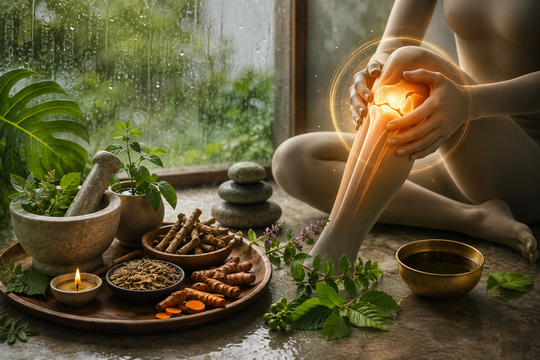
- Aids in Alleviating Muscle and Joint Stiffness: Regular self-oil massage (Abhyanga) with warm sesame oil is traditionally recommended to pacify aggravated Vata dosha, nourish tissues, and support comfortable joint and muscle movement during the monsoon. This practice may help to improve circulation and reduce feelings of stiffness and fatigue.
- Promotes a Calm and Balanced Nervous System: Herbs like Ashwagandha (Withania somnifera) are valued in Ayurveda for their adaptogenic properties, traditionally supporting the body's natural resilience to stress and promoting a calm nervous system. By helping to modulate the physiological response to stress, Ashwagandha may help support a balanced mood and reduce tension that can contribute to headaches.
The Ayurvedic Perspective on Monsoon Headaches and Body Aches
In Ayurveda, the monsoon season (Varsha Ritu) is characterized by increased humidity, wind, and coolness, which primarily lead to the aggravation of Vata dosha. This imbalance is considered a significant factor in the prevalence of headaches (Shirashoola) and general body discomfort during this period. Vata, composed of the air and ether elements, governs all movement in the body, including nerve impulses, circulation, and elimination. When Vata is aggravated, its dry, light, and mobile qualities can manifest as pulsating or throbbing headaches, muscle stiffness, joint aches, and feelings of ungroundedness.
The Ayurvedic properties of herbs and practices chosen for monsoon discomfort aim to pacify this aggravated Vata. For instance, warming spices like ginger (Shunthi) possess ushna virya (heating potency) and katu rasa (pungent taste), which help to counter Vata's cold and dry qualities. Ashwagandha, with its madhura rasa (sweet taste) and ushna virya, is traditionally used to nourish and strengthen the nervous system, providing a grounding effect. The vipaka (post-digestive effect) of such herbs is often sweet, further contributing to their nourishing and Vata-pacifying actions. Classical texts like Charaka Samhita and Ashtanga Hridaya detail Varsha Ritucharya, the seasonal regimen for monsoon, emphasizing practices that counteract Vata aggravation. This includes consuming warm, freshly cooked, and easily digestible foods, and incorporating healthy fats like ghee to lubricate the channels and pacify Vata.
Traditional use often involves polyherbal formulations. For example, Pathyakshadhatryadi Kashayam is a classical formulation mentioned for head and body discomfort, primarily balancing Vata and Pitta. The traditional anupana (vehicle) for Vata-pacifying herbs is often warm milk, ghee, or honey, which enhance their nourishing and grounding qualities. Regular Abhyanga (self-oil massage) with warm sesame oil is a key dinacharya (daily routine) practice recommended during monsoon to maintain comfortable joint movement and soothe the nervous system.
Practical Approaches to Monsoon Comfort
To support comfort during the monsoon season, integrating specific Ayurvedic practices and herbs into your daily routine can be beneficial. For general body discomfort, a daily Abhyanga (self-oil massage) with warm sesame oil is highly recommended. Apply 100-150 ml of warm oil to the entire body with gentle, firm strokes for 15-20 minutes before a warm bath. This helps to pacify Vata and nourish the tissues. For head discomfort, consider applying a few drops of warm Anu Taila or Shadbindu Taila into each nostril (Nasya) in the morning, which traditionally helps clear channels and calm the head. Herbal teas made with ginger, tulsi, and black pepper, consumed warm throughout the day, can support digestive fire and help manage Vata.
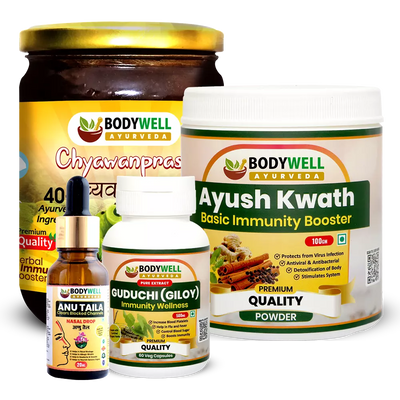
For internal support, Ashwagandha powder (churna) can be taken as 3-5 grams mixed with warm milk and a pinch of jaggery before bedtime. This may help support a calm nervous system and promote restful sleep. Always consult a qualified Ayurvedic practitioner or registered doctor, especially if pregnant, nursing, or on ongoing medication, before incorporating new remedies. While the BodyWell Ayurveda Immunity Kit is excellent for overall seasonal resilience, for targeted headache and body discomfort, focus on Vata-pacifying measures as described.
FAQs
Q: Why do headaches and body aches increase during monsoon?
A: According to Ayurveda, the monsoon season's cold, damp, and windy qualities aggravate Vata dosha. This increased Vata can lead to dryness, stiffness, and irregular movements within the body, manifesting as headaches, joint pain, and general body aches.
Q: What dietary changes are recommended during monsoon for discomfort?
A: During monsoon, prioritize warm, freshly cooked, and easily digestible foods such as soups, stews, and khichdi. Include warming spices like ginger, turmeric, and black pepper, and avoid cold, raw, or heavy foods that can further weaken Agni and aggravate Vata.
Q: Can Abhyanga (self-oil massage) truly help with monsoon body aches?
A: Yes, Abhyanga with warm Vata-pacifying oils like sesame oil is a cornerstone of Ayurvedic monsoon care. It traditionally helps to calm aggravated Vata, nourish the tissues, improve circulation, and support comfortable joint and muscle movement, thereby alleviating body aches and stiffness.
Q: Are there specific Ayurvedic herbs for monsoon-related headaches?
A: Herbs like ginger (Shunthi) and Ashwagandha are traditionally valued for their Vata-pacifying and nervine tonic properties, which may help support comfort from headaches. Classical formulations like Pathyakshadhatryadi Kashayam are also indicated for head and body discomfort.
Q: When should one consult a practitioner for monsoon discomfort?
A: While Ayurvedic home remedies can be supportive, it is always advisable to consult a qualified Ayurvedic practitioner or a registered doctor if symptoms are severe, persistent, or if you have any underlying health conditions, are pregnant, or taking other medications. They can provide personalized guidance and ensure appropriate care.