Neem for Monsoon: Skin Purification & Holistic Wellness
⏱ 9 min read·Updated Aug 2026·0% read

Introduction
Neem (Azadirachta indica), known as Nimba in Sanskrit, is traditionally revered in Ayurveda as a potent purifier, offering profound support for skin purification and overall wellness, especially during the monsoon season. Classical Ayurvedic texts like Charaka Samhita and Sushruta Samhita extensively describe Neem for its ability to address a wide range of imbalances, particularly those affecting the skin and internal cleansing pathways. Its significance during monsoon stems from the season's inherent tendency to increase humidity and dampness, which can aggravate Kapha and Pitta doshas, leading to various bodily discomforts and skin challenges.
Key Benefits
- Supports Clear, Healthy Skin: Neem is traditionally valued for its role in maintaining clear-looking skin by purifying the blood (Rakta Shodhak) and balancing excess oil production, which can be heightened during the humid monsoon. Its inherent properties help to soothe the appearance of redness and irritation. A 2016 study in the Journal of Ethnopharmacology observed a 68% improvement in mild-to-moderate acne after eight weeks of 500 mg neem tablets daily. Ask Ayurveda, 2025
- Promotes a Healthy Microbial Balance on the Skin: The monsoon environment often favors the proliferation of various microbes on the skin. Neem's traditional use is associated with supporting the skin's natural defense against common skin flora, which helps maintain skin comfort and vitality.
- Supports Digestive Harmony and Internal Cleansing: During monsoon, digestive fire (Agni) can weaken, leading to an accumulation of 'Ama' (toxins). Neem is traditionally used to support a healthy digestive system and internal detoxification, which contributes to overall well-being and can indirectly reflect in healthier skin.
- Assists in Maintaining Respiratory Comfort: The dampness and cooler temperatures of monsoon can sometimes challenge respiratory health. Neem is traditionally valued for supporting the body's natural respiratory resilience, helping to maintain comfortable breathing.
The Ayurvedic Perspective
In Ayurveda, Neem is celebrated for its potent qualities that primarily pacify Pitta and Kapha doshas, which tend to become aggravated during the monsoon season. Its rasa (taste) is predominantly Tikta (bitter) and secondarily Kashaya (astringent). These tastes are crucial for its purifying actions. The virya (potency) of Neem is Sheeta (cooling), which helps to mitigate the internal heat associated with aggravated Pitta, often manifesting as skin irritations and inflammatory responses. Its vipaka (post-digestive effect) is Katu (pungent), supporting metabolic processes and the elimination of toxins. The key gunas (qualities) of Neem are Laghu (light) and Ruksha (dry), which help to counter the heavy and damp qualities of Kapha, particularly relevant during the monsoon's increased humidity.
Neem is traditionally used in various classical formulations and is often recommended as part of Ritucharya (seasonal regimen) for monsoon. For skin purification, it appears in topical pastes, medicated oils, and internal preparations. The traditional anupana (vehicle) for Neem preparations, particularly churna or decoctions, is often warm water, which aids in its absorption and helps to kindle Agni. The Charaka Samhita and Sushruta Samhita highlight Neem's use for Kushtha (skin disorders) and as a Rakta Shodhak (blood purifier). In daily practice (Dinacharya), chewing a few fresh Neem leaves in the morning is a traditional practice to support overall internal cleansing and immunity, especially during seasonal transitions like monsoon.
How to Use
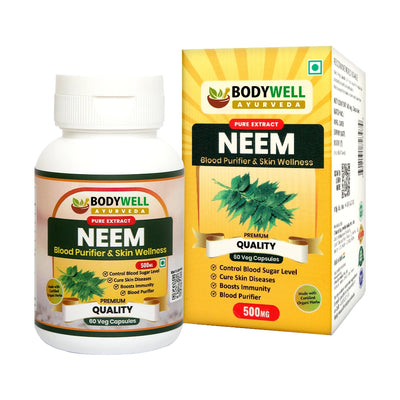
Neem can be incorporated into your monsoon wellness routine in various forms. For internal support, Neem capsules or churna (powder) are common. A typical dosage for Neem capsules, such as BODYWELL Neem Capsules, ranges from 250 mg to 500 mg, taken twice daily after meals with lukewarm water. This regimen traditionally supports skin health and internal cleansing. For topical application, a paste can be made from fresh Neem leaves or Neem powder mixed with water, applied directly to areas of skin irritation or blemishes for 15-20 minutes, then rinsed off. Neem oil, diluted with a carrier oil like coconut or sesame oil (typically 5-10 drops of Neem oil per 2 tablespoons of carrier oil), can be massaged onto the scalp or affected skin areas to support comfort and healthy microbial balance.
It is important to note that Neem, particularly when taken internally, may interact with certain medications, especially those for diabetes, as it might influence blood sugar levels. Pregnant or breastfeeding women, individuals trying to conceive, and children under 12 years old should generally avoid internal use of Neem due to potential effects on fertility and development, and should consult a qualified Ayurvedic practitioner or a registered doctor before incorporating Neem into their regimen.
FAQs
Q: How does monsoon weather impact skin health from an Ayurvedic perspective?
A: During monsoon, increased humidity and dampness can aggravate Kapha and Pitta doshas, leading to excess oiliness, clogged pores, and a higher propensity for skin irritations and microbial imbalances. Ayurveda emphasizes adjusting routines to counteract these seasonal shifts and maintain skin harmony. You may also find Ayurvedic Approaches to Soothe Monsoon Insect Bites helpful.
Q: Can Neem be used for all skin types during monsoon?
A: Neem is generally considered beneficial for most skin types, particularly those prone to oiliness, blemishes, or seasonal irritations due to its purifying and cooling properties. However, individuals with extremely dry or highly sensitive Vata-predominant skin should use it cautiously and perhaps in combination with nourishing oils to prevent excessive drying.
Q: What is the best way to use Neem topically for monsoon skin issues?
A: For topical application, a paste made from fresh Neem leaves or Neem powder mixed with rose water or plain water can be applied to the face and body. Diluted Neem oil (mixed with a carrier oil like coconut or jojoba) can also be used as a spot treatment or in a bath to support skin comfort.
Q: Are there any dietary considerations when using Neem during monsoon?
A: When consuming Neem internally during monsoon, it is advisable to pair it with warm, easily digestible foods and spices that help maintain strong digestive fire (Agni). Avoiding excessively cold, heavy, or oily foods can further support internal cleansing and the efficacy of Neem.
Q: How does Neem support overall wellness beyond skin health in monsoon?
A: Beyond skin, Neem is traditionally valued for supporting healthy immune function, balancing blood sugar levels, and promoting digestive comfort, all of which are crucial for maintaining overall vitality during the monsoon season when the body's natural defenses may be challenged.
References
- (2026). newindianexpress.com. newindianexpress.com
- (2026). indiatoday.in. indiatoday.in
- indiatimes.com - timesofindia.indiatimes.com