Bhringraj for Healthy Hair & Scalp During Monsoon: An Ayurvedic View
⏱ 8 min read·Updated Aug 2026·0% read

Bhringraj's Ayurvedic Support for Monsoon Hair and Scalp Health
Bhringraj, scientifically known as Eclipta alba, is a revered herb in Ayurveda, traditionally recognized for its profound ability to support healthy hair and scalp, especially during the challenging monsoon season. In classical Ayurvedic texts like the Charaka Samhita and Sushruta Samhita, Bhringraj is celebrated as a 'keshya' herb, meaning it is particularly beneficial for hair, helping to maintain its natural strength and vitality against seasonal changes that can otherwise lead to imbalances.
Key Benefits for Monsoon Hair Wellness
- Supports hair follicle strength and growth: Bhringraj is traditionally used to nourish hair follicles, which may help support healthy hair growth and reduce common hair fall associated with seasonal changes. Its properties are believed to enhance the microcirculation to the scalp, fostering an environment conducive to robust hair.
- Promotes a calm and balanced scalp environment: During monsoon, excess humidity can lead to an oily or irritated scalp due to aggravated Kapha and Pitta doshas. Bhringraj's cooling (virya) and drying (guna) qualities are traditionally employed to help balance these doshas, supporting a comfortable and clear scalp.
- Maintains natural hair colour and lustre: In Ayurveda, Bhringraj is associated with preserving the hair's natural pigmentation and enhancing its shine. Its traditional use aims to support the hair's inherent vitality, contributing to its healthy appearance.
The Ayurvedic Perspective on Bhringraj
From an Ayurvedic standpoint, Bhringraj primarily pacifies Pitta and Kapha doshas, while its drying quality can slightly aggravate Vata if used excessively without appropriate anupana. Its rasa (taste) is tikta (bitter) and katu (pungent), contributing to its purifying and stimulating actions. The virya (potency) of Bhringraj is sheeta (cooling), which is particularly beneficial for balancing the heat and inflammation often associated with aggravated Pitta, which can manifest as scalp irritation during humid seasons. Its vipaka (post-digestive effect) is katu (pungent), further supporting its ability to clear Kapha accumulations. Key gunas (qualities) include ruksha (dry) and laghu (light), which help to counteract the heavy, damp qualities of the monsoon season that can weigh down hair and lead to scalp issues. Traditionally, Bhringraj is a prominent ingredient in classical formulations such as Bhringrajasava and is often prepared as a medicated oil (Bhringraj Taila) for topical application. Its traditional anupana for internal use often includes warm water or honey, depending on the specific doshic imbalance being addressed.
How to Incorporate Bhringraj
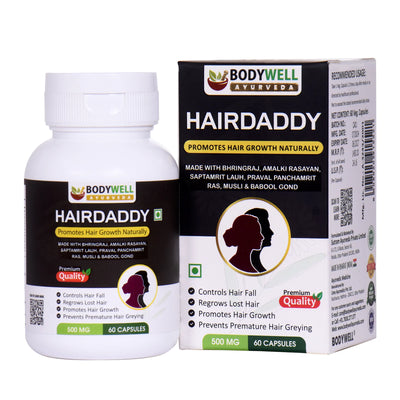
Bhringraj can be incorporated into a monsoon wellness regimen in several forms. For topical application, Bhringraj oil is traditionally massaged into the scalp 1-2 times a week, preferably before washing, and left on for at least 30 minutes to allow for deep nourishment. For internal support, Bhringraj churna (powder) can be taken in doses of 1-3 grams, mixed with warm water or honey, once or twice daily, ideally after meals. For those seeking a convenient option, capsules like BodyWell Ayurveda’s HairDaddy Capsule, which contains Bhringraj, offer a standardized dosage. It is traditionally used to support hair strength and vitality. Always consult a qualified Ayurvedic practitioner or a registered doctor before starting any new herbal supplement, especially if pregnant, nursing, or on ongoing medication.
FAQs on Bhringraj for Monsoon Hair Care
Q: How does monsoon weather specifically affect hair health in Ayurveda?
A: The monsoon season, with its increased humidity and dampness, tends to aggravate Vata and Kapha doshas. This can lead to issues like increased hair fall, frizziness (Vata), and an oily, itchy scalp or dandruff (Kapha), impacting overall hair vitality and appearance.
Q: Can Bhringraj be used by all dosha types during monsoon?
A: While Bhringraj primarily pacifies Pitta and Kapha, its ruksha (drying) guna means Vata types should use it cautiously, preferably with a nourishing anupana like ghee or sesame oil to balance its drying effect. Consultation with an Ayurvedic practitioner can provide personalized guidance.
Q: Is topical application of Bhringraj oil sufficient, or is internal consumption also recommended?
A: Both topical application and internal consumption of Bhringraj are traditionally valued for comprehensive hair and scalp support. Topical oils nourish the scalp directly, while internal intake helps balance doshas from within, addressing the root causes of hair concerns.
Q: How long does it typically take to observe benefits from Bhringraj for hair?
A: In Ayurveda, consistent and regular use is emphasized for observing benefits. While individual results vary, traditional texts suggest that sustained use over several weeks to a few months is often needed to support hair and scalp health effectively.
Q: Are there any specific dietary recommendations to complement Bhringraj use during monsoon for hair health?
A: To complement Bhringraj, an Ayurvedic diet during monsoon focuses on warm, light, and easily digestible foods to rekindle Agni and balance Vata and Kapha. Avoiding cold, heavy, and oily foods can further support healthy hair and scalp.
References
- Eclipta alba (Bhringraj): A Promising Hepatoprotective and Hair Growth Stimulating Herb. Asian Journal of Pharmaceutical and Clinical Research, 2021.
- Wikipedia contributors. Eclipta prostrata (Bhringraj / False Daisy). Wikipedia, The Free Encyclopedia.
-
Wikipedia contributors. Ayurveda — Traditional Medicine of India. Wikipedia, The Free Encyclopedia.
- M P, B N, T K. (2024). Enhanced sun protection factor of octocrylene with green tea and bhringraj extracts.. Cutaneous and ocular toxicology.