Ayurvedic Spring Rituals for Kapha Balance and Renewed Vitality
⏱ 12 min read·Updated Aug 2026·0% read

Cultivating Spring's Radiance Through Ayurvedic Self-Care
Ayurvedic self-care rituals in spring are crucial for enhancing vitality and balance by addressing the accumulation of Kapha dosha, which naturally increases during this transitional season. These practices, rooted in ancient wisdom, focus on lightness, warmth, and stimulation to counteract Kapha's heavy, cool, and damp qualities, thereby supporting optimal well-being as nature awakens. By aligning daily routines with the seasonal rhythms, individuals can mitigate sluggishness and foster renewed energy, as emphasized in classical Ayurvedic texts like the Charaka Samhita on Ritucharya, or seasonal regimens.
Doshic Harmony Through Seasonal Practices
- Supports clear respiratory function: Spring often brings an increase in environmental moisture, which can aggravate Kapha dosha, leading to a build-up of mucus and potential congestion in the respiratory channels. Rituals like Neti (nasal cleansing) and specific warming herbal infusions are traditionally used to help clear these pathways, promoting comfortable breathing.
- Promotes comfortable, regular digestion: As the weather warms, the digestive fire (Agni) can become sluggish due to Kapha's heavy and damp qualities. Incorporating pungent and bitter tastes, along with digestive spices, helps to rekindle Agni, supporting efficient digestion and assimilation.
- Enhances mental clarity and motivation: Excess Kapha can manifest as mental fog, lethargy, and a feeling of 'stuckness.' Engaging in invigorating morning routines and consuming lighter foods helps to counteract these qualities, fostering a sharper mind and a more motivated outlook.
- Supports balanced energy levels: The earth and water elements of Kapha can lead to feelings of heaviness and low energy. Ayurvedic spring rituals, including dynamic physical activity and a Kapha-pacifying diet, are traditionally employed to stimulate circulation and metabolism, which may help support sustained energy throughout the day.
The Ayurvedic Perspective on Spring's Influence
Spring, known as Vasanta Ritu in Ayurveda, is predominantly the season of Kapha dosha, characterized by the elements of Earth and Water. As winter's cold and dampness melt away, these qualities become pronounced in the environment and, consequently, within the body. This accumulation of Kapha can lead to symptoms such as sluggishness, increased mucus, water retention, and a feeling of heaviness.
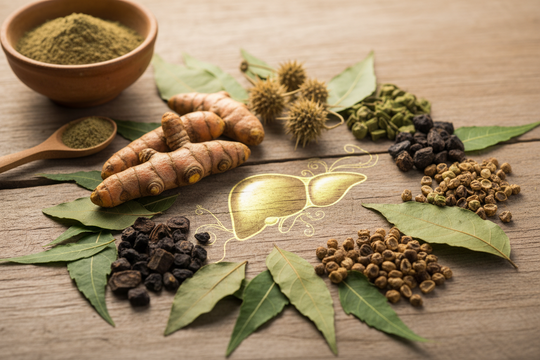
To counteract Kapha's inherent qualities of guru (heavy), shita (cold), snigdha (oily), manda (slow), slakshna (smooth), mrudu (soft), and sthira (stable), Ayurveda advocates for practices and substances that embody opposing attributes. The prominent tastes (rasa) to favor are katu (pungent), tikta (bitter), and kashaya (astringent). Pungent tastes, found in ginger (Ardrakam) and black pepper (Maricha), possess ushna virya (heating potency) and a katu vipaka (pungent post-digestive effect), which help to kindle Agni and clear stagnation. Bitter tastes, present in neem (Nimba) and dandelion, are cooling in virya and also have a katu vipaka, supporting detoxification and lightness. Astringent tastes, such as those in turmeric (Haridra) and legumes, are cooling in virya and possess a katu vipaka, helping to dry excess moisture and tone tissues.
Traditional use of these properties is deeply embedded in Dinacharya (daily routines) and Ritucharya (seasonal regimens). For instance, the Charaka Samhita and Sushruta Samhita describe the importance of aligning one's lifestyle with seasonal changes to maintain optimal health. During spring, traditional Ayurvedic practice recommends incorporating herbs like Triphala, a blend of three fruits (Amalaki, Haritaki, Bibhitaki), known for its tridoshic balancing properties, particularly its ability to support gentle detoxification. It is traditionally taken with warm water as an anupana (vehicle) to facilitate its cleansing actions.
Integrating Springtime Self-Care
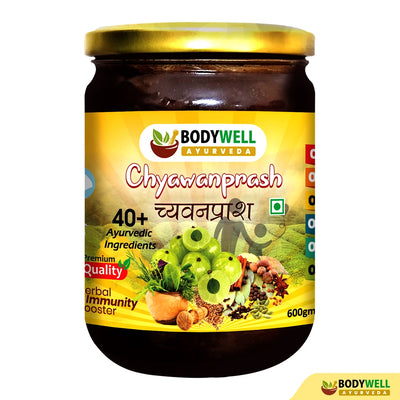
To effectively balance Kapha in spring, a multi-faceted approach is beneficial. Incorporate a daily ritual of Chyawanprash With 40+ Ayurvedic Herbs, a traditional Ayurvedic formulation. Take 1-2 teaspoons, ideally in the morning on an empty stomach, followed by warm water or milk as an anupana. Chyawanprash is traditionally valued for supporting overall vitality and immunity, particularly during seasonal transitions. For those seeking to support digestive comfort and detoxification, a simple decoction of ginger and turmeric can be prepared by boiling 1/2 teaspoon of grated fresh ginger and 1/4 teaspoon of turmeric powder in 1 cup of water for 5 minutes, then straining and sipping warm. This can be consumed twice daily, mid-morning and mid-afternoon. Consider incorporating into your daily routine. Additionally, dry brushing (Garshana) with silk gloves before showering can help stimulate lymphatic circulation and remove accumulated Kapha. Individuals who are pregnant, nursing, or on ongoing medication should consult a qualified Ayurvedic practitioner or a registered doctor before making significant dietary or lifestyle changes.
FAQs
Q: Why is spring considered Kapha season in Ayurveda?
A: Spring is associated with Kapha because, as winter's accumulated snow and ice melt, the environment becomes heavy, moist, and cool, mirroring Kapha's inherent qualities. This seasonal shift can lead to an increase in Kapha within the body, manifesting as sluggishness and congestion.
Q: What are the key dietary changes recommended for spring?
A: Ayurveda suggests favoring foods that are light, warm, and dry, with pungent, bitter, and astringent tastes. This includes incorporating plenty of fresh, bitter greens, lighter grains like barley and quinoa, and warming spices such as ginger, black pepper, and turmeric, while reducing heavy, oily, sweet, and cold foods.
Q: How can I combat spring sluggishness using Ayurvedic principles?
A: To counteract sluggishness, prioritize early morning rising, engage in invigorating physical activity like brisk walking or Kapalabhati pranayama, and consume warm, stimulating beverages such as ginger tea. Dry brushing (Garshana) also helps to energize the body and mind.
Q: Are there specific herbs recommended for spring detoxification?
A: Yes, herbs like Triphala are traditionally used to support gentle detoxification and regular elimination. Warming spices such as ginger, turmeric, and black pepper are also beneficial for kindling Agni and clearing Kapha. Always consult an Ayurvedic practitioner for personalized herbal recommendations.
Q: What is the significance of warm water in spring Ayurvedic rituals?
A: Drinking warm water, especially upon waking, is a fundamental Ayurvedic practice in spring. It helps to stimulate Agni (digestive fire), flush out accumulated toxins (Ama), and support healthy bowel movements, thereby counteracting Kapha's cold and heavy qualities.