Ayurvedic Monsoon Skincare: Nurturing Your Inner Radiance
⏱ 15 min read·Updated Aug 2026·0% read

Introduction
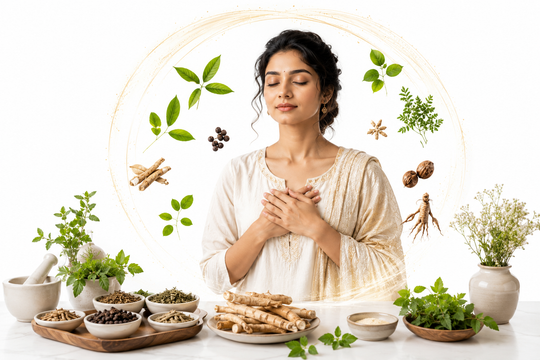
Maintaining a healthy skin glow during monsoon humidity primarily involves balancing the increased environmental moisture with the body's internal doshic shifts, notably aggravated Vata and accumulated Pitta and Kapha. Ayurveda, the ancient Indian system of medicine, categorises the monsoon season as Varsha Ritu, a period where the body's digestive fire (Agni) weakens and doshas are naturally predisposed to imbalance, directly impacting skin vitality. This framework guides practices that support the skin's inherent radiance, addressing challenges like dullness, excess oiliness, and breakouts by nurturing balance from within.
Key Benefits
- Supports balanced sebum production: Monsoon humidity often triggers sebaceous glands to produce more oil, leading to congested pores and breakouts. Ayurvedic remedies like topical application of Multani Mitti (Fuller's Earth) with rose water may help absorb excess sebum without stripping the skin, thereby supporting balanced oil levels. Internally, consuming bitter herbs traditionally helps pacify Pitta, which is often associated with excess oiliness and inflammation.
- Promotes clear, calm skin appearance: The damp environment can encourage microbial growth and inflammation, manifesting as acne and rashes. Traditional Ayurvedic practices suggest using herbs like Neem (Azadirachta indica) and Turmeric (Curcuma longa), valued for their purifying qualities, to support a clear complexion and a healthy inflammatory response. Regular gentle cleansing with herbal formulations can help remove impurities and maintain skin clarity.
- Maintains skin's natural hydration and barrier function: Despite external humidity, monsoon can paradoxically lead to dehydration and a compromised skin barrier, particularly for Vata-predominant skin types. Ayurvedic wisdom, as seen in texts like Ashtanga Hridayam, recommends increasing oleation with nourishing oils like sesame or almond oil to support skin elasticity and moisture retention. This counters the Vata-aggravating dryness that can occur internally during this season.
- Enhances overall skin luminosity: Dullness is a common monsoon concern, often linked to weakened digestion and the accumulation of Ama (toxins). Incorporating internal detoxifying practices, such as drinking warm water with lemon and consuming Triphala, traditionally supports healthy digestion and detoxification, which reflects as improved skin radiance and a natural glow.
The Ayurvedic Perspective
Ayurveda views monsoon skin concerns as a direct reflection of seasonal doshic shifts. During Varsha Ritu, Vata dosha is naturally aggravated due to the cool, windy, and damp qualities of the season, while Pitta dosha, accumulated during the preceding summer, begins to seek release, manifesting as inflammation and breakouts. Kapha dosha also accumulates due to the increased moisture and heaviness in the environment, contributing to oiliness and congestion.
To address these imbalances, Ayurvedic practices focus on herbs and rituals with specific properties. For instance, herbs like Neem (Tikta rasa/bitter taste, Sheeta virya/cooling potency, Katu vipaka/pungent post-digestive effect, with Laghu/light and Ruksha/dry gunas) are traditionally used to pacify Kapha and Pitta, supporting skin purification. Turmeric (Katu-Tikta rasa/pungent-bitter taste, Ushna virya/heating potency, Katu vipaka/pungent post-digestive effect, with Laghu/light and Ruksha/dry gunas) helps balance Kapha and Pitta due to its purifying qualities, despite its heating potency, by supporting healthy circulation and a balanced inflammatory response. Aloe Vera (Tikta-Madhura rasa/bitter-sweet taste, Sheeta virya/cooling potency, Katu vipaka/pungent post-digestive effect, with Snigdha/oily and Guru/heavy gunas) is traditionally used to pacify Pitta, offering cooling and soothing support.
Classical texts like Charaka Samhita and Sushruta Samhita detail Ritucharya (seasonal regimens) that guide dietary and lifestyle adjustments for optimal health, including skin care, during the monsoon. Traditional uses often involve internal cleansing with formulations like Triphala (a blend of Amalaki, Bibhitaki, and Haritaki, known for its Tridoshic balancing properties, particularly for Pitta and Kapha, with Madhura/sweet, Amla/sour, Katu/pungent, Tikta/bitter, Kashaya/astringent tastes) to support detoxification, which reflects positively on the skin. Anupanas for skin-supporting herbs often include warm water, honey, or ghee, chosen to enhance absorption and balance doshas.
How to Use
For maintaining healthy skin glow during monsoon, integrate specific Ayurvedic practices into your daily routine. Begin with a gentle herbal cleanser, such as a paste made from chickpea flour (besan) mixed with turmeric and rose water, used twice daily to remove impurities without stripping natural oils. Follow with a natural toner like pure rose water or aloe vera gel, applied with a cotton pad to help balance skin pH and gently tighten pores.
For moisturisation, opt for lightweight, water-based formulations or Ayurvedic oils like a few drops of almond or sesame oil, gently massaged into damp skin after bathing. This helps to lock in moisture and support the skin's barrier function without feeling heavy in the humid climate.
Consider a weekly application of a purifying face mask, such as a blend of Multani Mitti (Fuller's Earth) with neem powder and rose water for oily skin, or a nourishing mask of mashed ripe banana with honey and almond oil for drier skin types.
Internally, maintaining hydration with warm water, perhaps infused with a slice of ginger or a few Tulsi leaves, is crucial. For digestive support, a teaspoon of Triphala powder mixed with warm water before bed can be beneficial. Always consult a qualified Ayurvedic practitioner or a registered doctor before incorporating new supplements or if you have ongoing health conditions, are pregnant, or are taking other medications.
FAQs
Q: Why does my skin become dull and oily during monsoon?
A: During monsoon, increased humidity and weakened digestive fire (Agni) can lead to an aggravation of Kapha and Pitta doshas. This often results in excess sebum production and the accumulation of Ama (toxins), causing the skin to appear oily and lacklustre.
Q: Which Ayurvedic herbs are best for monsoon skin glow?
A: Herbs like Neem, Turmeric, Aloe Vera, Manjistha, and Sandalwood are traditionally valued for their purifying, cooling, and skin-supporting properties during monsoon. They help balance aggravated doshas and promote a healthy complexion.
Q: Can dietary changes truly impact monsoon skin health?
A: Yes, Ayurveda strongly emphasizes the connection between diet and skin health. Consuming light, warm, and easily digestible foods, while avoiding excessively oily, fried, and fermented items, can help maintain strong Agni and reduce doshic imbalances that manifest on the skin.
Q: How often should I cleanse my face during monsoon humidity?
A: It is generally recommended to cleanse your face gently twice daily, in the morning and evening, using a mild herbal cleanser. This helps remove accumulated dirt, sweat, and excess oil without over-drying the skin.
Q: Is it necessary to moisturize skin during humid monsoon weather?
A: Yes, moisturizing is essential even in humid conditions. Choose lightweight, non-comedogenic, and hydrating formulations or light Ayurvedic oils to prevent the skin from becoming dehydrated and to support its natural barrier function.