Ayurvedic Monsoon Digestion: Supporting Gut Flora Seasonally
⏱ 17 min read·Updated Aug 2026·0% read

During the monsoon season, Ayurvedic wisdom emphasizes adjusting dietary and lifestyle practices to support healthy digestion and maintain balanced gut flora, as the body's digestive fire (Agni) naturally weakens. This crucial seasonal adjustment, known as Ritucharya, is rooted in classical Ayurvedic texts like the Charaka Samhita, which highlights the importance of aligning with natural rhythms to preserve health. The monsoon brings increased humidity and cooler temperatures, which can lead to an accumulation of Vata and Kapha doshas, manifesting as sluggish digestion, bloating, and compromised gut health. By understanding these seasonal shifts and applying authentic Ayurvedic principles, individuals can proactively support their digestive system and maintain a balanced internal environment.Key Benefits for Monsoon Digestion
- Supports comfortable, regular digestion: The monsoon's dampness and coolness can diminish Agni, leading to slow digestion. Ayurvedic practices, such as consuming warming spices, help to rekindle this digestive fire, supporting the efficient breakdown and absorption of food. This helps to prevent the accumulation of Ama, or toxins, which can otherwise impede healthy gut function.
- Helps maintain balanced gut flora: A weakened Agni during monsoon can disrupt the delicate balance of gut flora. Traditional Ayurvedic recommendations, including the intake of specific herbs and easily digestible foods, create an environment conducive to beneficial gut microorganisms, thereby supporting a healthy microbiome.
- Supports healthy metabolic processes: The aggravation of Vata and Kapha during monsoon can lead to sluggish metabolism. Ayurvedic dietary adjustments and lifestyle choices, such as incorporating light, warm meals, are traditionally valued for maintaining optimal metabolic function, ensuring the body's systems operate efficiently.
- Promotes overall digestive comfort: Many experience bloating and gas during the monsoon due to impaired digestion. By adhering to Ayurvedic principles that pacify Vata and Kapha, such as avoiding cold and heavy foods, individuals can experience greater digestive ease and reduce discomfort.
The Ayurvedic Perspective on Monsoon Digestion
The monsoon season primarily aggravates Vata and Kapha doshas, while Pitta tends to accumulate. The increased humidity and reduced sunlight contribute to a naturally weakened Agni, making digestion more challenging. From an Ayurvedic perspective, the key is to pacify Vata and Kapha through diet and lifestyle, while also supporting the digestive fire. Foods and herbs with Ushna (heating) Virya are particularly beneficial. For instance, ginger (Shunthi) possesses a Katu (pungent) Rasa, Ushna Virya, and Madhura (sweet) Vipaka, making it traditionally valued for stimulating Agni. Black pepper (Maricha) also shares a Katu Rasa, Ushna Virya, and Katu Vipaka, contributing to its efficacy in supporting digestion. The Charaka Samhita emphasizes the importance of light, warm, and freshly prepared meals during this season to avoid overwhelming the weakened digestive system. Traditionally, a decoction of ginger, black pepper, and long pepper (Trikatu) is often recommended, sometimes with anupana like honey or warm water, to support Agni. Daily routines (Dinacharya) during monsoon should include practices that maintain warmth and dryness, such as avoiding excessive exposure to dampness and engaging in moderate physical activity to keep the digestive channels clear. The Ashtanga Hridaya also highlights the consumption of sour and salty tastes in moderation to help stimulate digestion and balance Vata.
How to Use Ayurvedic Principles for Monsoon Digestion
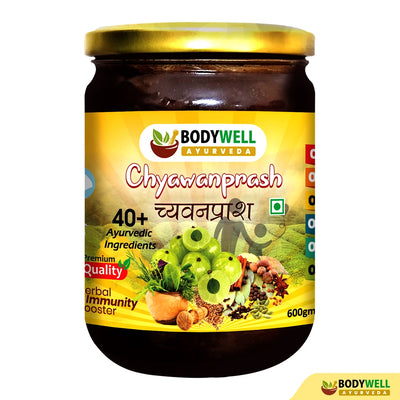
To support healthy digestion during monsoon, focus on consuming warm, freshly cooked meals. Opt for easily digestible grains like rice and barley, and include well-cooked vegetables such as gourds, pumpkin, and carrots. Incorporate warming spices like ginger, cumin, black pepper, and turmeric into your cooking. A simple practice is to drink warm water throughout the day, perhaps infused with a slice of ginger. For those seeking comprehensive support, traditional Ayurvedic formulations like Chyawanprash, which contains over 40 Ayurvedic herbs, may help support overall vitality and immune function, indirectly supporting a balanced system during seasonal changes. It is traditionally consumed in dosages of 1-2 teaspoons, typically with warm milk or water, once or twice daily. The best timing is often in the morning on an empty stomach or before bedtime. Individuals who are pregnant, nursing, or on ongoing medication should consult a qualified Ayurvedic practitioner or a registered doctor before incorporating any new herbal formulations into their routine.
Another helpful practice is to avoid raw salads, cold foods, and heavy, oily preparations, which can further dampen Agni. Light exercise, such as gentle yoga or walking, can also aid digestion and circulation. For specific digestive discomfort, a decoction made from a teaspoon of roasted cumin seeds in a cup of water, boiled and strained, can be traditionally consumed after meals. This supports comfortable digestion and helps mitigate Vata aggravation. Remember that personalized guidance from an Ayurvedic practitioner is invaluable for tailoring these recommendations to your unique constitution and specific needs during the monsoon.
FAQs
Q: Why does digestion weaken during the monsoon season?
A: According to Ayurveda, the monsoon's increased humidity and cooler temperatures naturally diminish Agni, the digestive fire. This leads to an aggravation of Vata and Kapha doshas, resulting in slower digestion and a tendency towards bloating and gas.
Q: What foods should be avoided during monsoon for better digestion?
A: During monsoon, it is traditionally advised to avoid cold foods, raw salads, heavy and oily preparations, and fermented items. These foods can further weaken Agni and contribute to digestive discomfort and Ama accumulation.
Q: Are there specific spices that support monsoon digestion?
A: Yes, warming spices like ginger, black pepper, cumin, turmeric, and fenugreek are highly valued in Ayurveda for stimulating Agni during monsoon. They possess pungent and heating properties that counteract the season's inherent coolness and dampness.
Q: How can I support my gut flora during the monsoon?
A: Supporting gut flora during monsoon involves consuming easily digestible, warm, and freshly prepared meals. Incorporating fermented foods like buttermilk in moderation (if Agni is strong) and using digestive spices can help maintain a balanced microbial environment.
Q: When should I consult an Ayurvedic practitioner for monsoon digestive issues?
A: If you experience persistent digestive discomfort, severe bloating, changes in bowel patterns, or any other significant health concerns during the monsoon, it is always advisable to consult a qualified Ayurvedic practitioner or a registered doctor for personalized assessment and guidance.