Ayurvedic Herbs for Sustaining Cognitive Vitality and Mental Clarity
⏱ 15 min read·Updated Aug 2026·0% read

Introduction
Ayurveda traditionally identifies several herbs, primarily Bacopa monnieri (Brahmi), Centella asiatica (Mandukaparni/Gotu Kola), Withania somnifera (Ashwagandha), and Convolvulus pluricaulis (Shankhpushpi), as traditionally supporting cognitive function and mental clarity by balancing doshas and nourishing the nervous system. These herbs are valued in classical texts for their Medhya (intellect-enhancing) properties. In Ayurveda, cognitive function, or Buddhi, is deeply intertwined with the balance of Vata, Pitta, and Kapha doshas, and the vitality of Prana Vayu (the sub-dosha of Vata governing the mind and senses) and Sadhaka Pitta (the sub-dosha of Pitta governing emotional and spiritual processing). Maintaining this delicate balance is considered essential for optimal mental processing, memory, and emotional equilibrium.
Key Benefits
- Supports Memory Recall and Retention: Bacopa monnieri, known as Brahmi, is traditionally valued for its ability to support memory, particularly free recall. This is attributed to its impact on nourishing the nervous system and balancing Vata dosha, which governs cognitive processes. Research suggests Bacopa monnieri may help improve memory free recall in healthy adults.
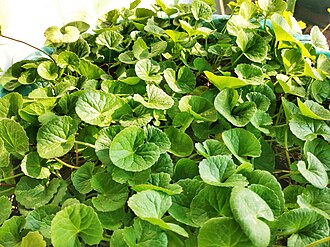
- Promotes Mental Alertness and Focus: Centella asiatica, or Mandukaparni, is traditionally used to support sustained attention and mental clarity. It is believed to balance Pitta dosha, which governs intellect and perception, and support healthy blood circulation to the brain. Clinical studies suggest Centella asiatica may improve alertness and feelings of happiness.
- Aids in Stress Resilience and Calmness: Ashwagandha (Withania somnifera) is revered as an adaptogen in Ayurveda, traditionally supporting the body's natural ability to adapt to stress and promoting a calm, balanced mood. By pacifying aggravated Vata dosha, which is often associated with anxiety and mental unrest, Ashwagandha helps maintain mental tranquility. Studies indicate Ashwagandha supplementation may help reduce perceived stress and serum cortisol levels.
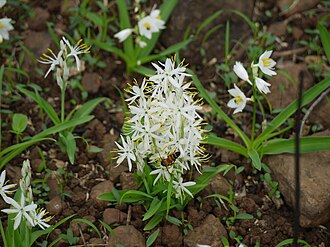
- Enhances Overall Cognitive Performance: Shankhpushpi (Convolvulus pluricaulis) is another significant Medhya Rasayana, traditionally used to support intelligence, central nervous system function, and overall brain function. It is considered to balance Vata and Pitta doshas, thereby supporting mental acuity and reducing mental fatigue.
The Ayurvedic Perspective
Ayurvedic herbs for cognitive function primarily work by balancing the three doshas — Vata, Pitta, and Kapha — with a particular emphasis on Vata and Pitta. Vata dosha, characterized by its dry, light, and mobile qualities, when imbalanced, can manifest as forgetfulness, anxiety, and scattered thoughts. Pitta dosha, with its hot, sharp, and penetrating qualities, when imbalanced, can lead to irritability and mental agitation. Kapha dosha, characterized by heavy, slow, and dull qualities, can contribute to mental sluggishness and lack of motivation.
Brahmi (Bacopa monnieri) is traditionally classified with Rasa (taste) as Tikta (bitter) and Kashaya (astringent), Virya (potency) as Shita (cooling), and Vipaka (post-digestive effect) as Madhura (sweet). Its primary Gunas (qualities) are Laghu (light) and Sara (spreading). It is considered a Tridoshic herb, balancing all three doshas, but particularly pacifying Pitta and Vata due to its cooling and nourishing properties. It is a prominent ingredient in classical formulations like Brahmi Ghrita, traditionally used to support intellect and memory, as mentioned in texts like the Charaka Samhita.
Mandukaparni (Centella asiatica) shares similar properties, with Rasa as Tikta (bitter) and Kashaya (astringent), Virya as Shita (cooling), and Vipaka as Madhura (sweet). Its Gunas are Laghu (light) and Snigdha (unctuous). It is primarily known for pacifying Pitta and Kapha doshas and is often traditionally taken with milk or ghee (anupana) to enhance its Medhya effects.
Ashwagandha (Withania somnifera) possesses a Rasa that is Tikta (bitter) and Madhura (sweet), Virya as Ushna (heating), and Vipaka as Madhura (sweet). Its Gunas are Laghu (light) and Snigdha (unctuous). Ashwagandha is celebrated for its ability to balance Vata and Kapha doshas, particularly due to its warming and nourishing nature. It is a key ingredient in many Rasayana formulations, aiming to support vitality and resilience, and is often prepared as Ashwagandha Churna with warm milk.
Shankhpushpi (Convolvulus pluricaulis) has a Rasa that is Tikta (bitter) and Kashaya (astringent), Virya as Shita (cooling), and Vipaka as Madhura (sweet). Its Gunas are Laghu (light) and Snigdha (unctuous). It is traditionally used to pacify Vata and Pitta doshas, offering a calming effect on the nervous system. Classical Ayurvedic texts such as the Ashtanga Hridaya mention Shankhpushpi for its ability to support mental functions.
How to Use
These Ayurvedic herbs are typically available in various forms, including churna (powder), capsules, and ghritas (medicated ghees). For general cognitive support, a common dosage for Brahmi (Bacopa monnieri) extract is around 300-450 mg per day, often taken with warm water or milk after meals. For Shankhpushpi, a traditional dosage of churna is typically 3-6 grams daily, mixed with warm milk or honey, preferably in the morning. Ashwagandha churna can be taken at a dosage of 3-5 grams daily, traditionally with warm milk, particularly in the evening to support restful sleep and nervous system balance.
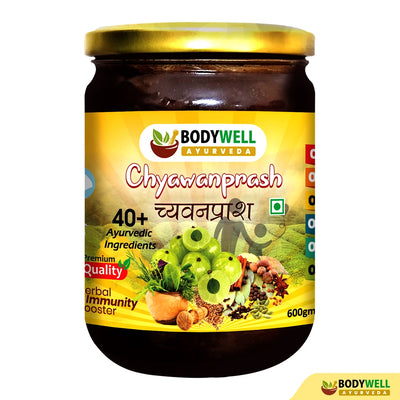
For individuals seeking comprehensive support, formulations like Chyawanprash, a traditional Ayurvedic herbal jam containing a synergistic blend of herbs including Amla, which is rich in antioxidants and traditionally valued for its Rasayana properties, can be beneficial for overall vitality and cognitive wellness. It is generally recommended to take 1-2 teaspoons of Chyawanprash daily, ideally with warm milk. Pregnant women, children, and individuals on ongoing medication should always consult a qualified Ayurvedic practitioner or a registered doctor before incorporating any new herbal supplements into their routine.
FAQs
Q: Can Ayurvedic herbs replace conventional medication for cognitive conditions?
A: No, Ayurvedic herbs are traditionally used to support overall wellness and cognitive function, not to cure, treat, prevent, or replace conventional medication for any medical condition. Always consult a qualified Ayurvedic practitioner or a registered doctor for any health concerns or before making changes to your medication.
Q: How long does it take to experience benefits from these herbs?
A: The traditional Ayurvedic approach emphasizes consistent and sustained use. While individual experiences may vary, noticeable support for cognitive function and mental clarity may take several weeks to a few months of regular intake, alongside appropriate lifestyle adjustments.
Q: Are there any specific dietary recommendations when taking these herbs?
A: Ayurveda suggests a balanced diet that is appropriate for your individual dosha. Generally, consuming fresh, wholesome foods, avoiding processed items, and maintaining regular meal times can complement the action of these herbs and support overall cognitive health.
Q: Can these herbs be taken by children to support cognitive development?
A: Some Ayurvedic herbs, like Shankhpushpi, are traditionally used to support cognitive growth in children. However, it is crucial to consult a qualified Ayurvedic practitioner or a registered doctor for appropriate dosage and guidance tailored to a child's specific needs and health status.
Q: What is the significance of 'Medhya Rasayana' in Ayurveda?
A: 'Medhya Rasayana' refers to a class of Ayurvedic herbs and formulations traditionally valued for their ability to support and enhance intellect, memory, and overall mental faculties. They are considered rejuvenating to the mind and nervous system, promoting longevity and vitality of cognitive functions.