Pippali's Ayurvedic Edge for Monsoon Respiration & Digestion
⏱ 10 min read·Updated Aug 2026·0% read

Introduction
Pippali (Piper longum), also known as Long Pepper, is a revered Ayurvedic herb traditionally used to support robust respiratory and digestive wellness, particularly during the monsoon season when the body's natural defenses and digestive strength are often challenged. In classical Ayurveda, Pippali is categorized as a potent Deepana (appetizer) and Pachana (digestive) herb, and is highly valued for its ability to clear respiratory channels and kindle Agni (digestive fire), addressing the common imbalances of the damp and cool monsoon environment. Its profound impact on these vital systems makes it a central component in numerous traditional formulations aimed at enhancing overall vitality and resilience.Key Benefits for Monsoon Wellness
- Supports comfortable, clear breathing. Pippali is traditionally used to help clear excess mucus from the respiratory tract, promoting easier and more comfortable breathing. Its warming and penetrating qualities assist in liquefying and expelling accumulated Kapha, which tends to increase during the humid monsoon, contributing to congestion.
- Enhances digestive fire and nutrient absorption. During the monsoon, Agni often weakens, leading to sluggish digestion. Pippali traditionally supports the digestive system by stimulating digestive enzymes and enhancing the absorption of nutrients, thereby reducing indigestion, bloating, and gas. This action is crucial for preventing the accumulation of Ama (undigested metabolic waste) that can arise from a compromised digestive fire.
- Supports the body's natural immune response. As a revered Rasayana (rejuvenating herb), Pippali is traditionally valued for strengthening the body's natural immune defenses. Its properties may help the body adapt to seasonal changes and support resilience against common challenges during the monsoon, contributing to overall well-being.
The Ayurvedic Perspective: Pippali's Energetics
In Ayurveda, Pippali's profound effects are understood through its unique energetic profile. It primarily pacifies Kapha and Vata doshas, while its heating potency can potentially aggravate Pitta if used excessively or without proper guidance. The unripe, dried fruit of Piper longum exhibits a Katu rasa (pungent taste) which is stimulating and cleansing. Its Virya (potency) is Ushna (heating), which helps to kindle Agni, liquefy Kapha, and improve circulation. Uniquely, its Vipaka (post-digestive effect) is Madhura (sweet), which provides a nourishing and grounding quality that balances its initial heating and pungent actions, making it less depleting than some other hot herbs for sustained use. This distinctive combination of properties is what makes Pippali a powerful Rasayana, traditionally used for rejuvenation and building vitality. Classical texts like the Charaka Samhita frequently mention Pippali in formulations aimed at supporting respiratory and digestive health. It is a key ingredient in the famous Ayurvedic blend Trikatu (along with ginger and black pepper), traditionally used to strengthen Agni and reduce excess Kapha. For respiratory support, Pippali is often traditionally taken with anupana (vehicle) like honey, which enhances its expectorant properties. For digestive support, it may be combined with warm water or ghee to further kindle Agni.How to Use Pippali for Monsoon Wellness
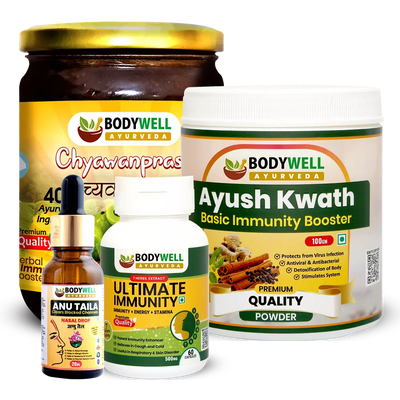
Pippali is most commonly used in its powdered form, known as Pippali churna. For general wellness support during monsoon, a traditional dosage for adults is typically 0.5 to 1 gram per day, divided into one or two doses. It is often recommended to take Pippali churna mixed with a teaspoon of honey or warm water, ideally after meals to support digestion and alleviate respiratory congestion. For enhanced respiratory comfort, particularly during seasonal changes, the Premium Immunity Kit from BodyWell Ayurveda, which includes Pippali, is a relevant option for holistic support. When considering its use, it is important to note that prolonged, high-dose usage of Pippali is not generally recommended without the guidance of a qualified Ayurvedic practitioner, as it may increase Pitta dosha over time. Individuals who are pregnant should generally avoid Pippali due to its potential to stimulate uterine contractions. Those with pre-existing conditions such as hyperacidity, gastritis, or liver conditions, or who are taking ongoing medications (especially blood thinners or diabetes medications), should consult a qualified Ayurvedic practitioner or a registered doctor before incorporating Pippali into their regimen.FAQs
Q: What is the ideal time to take Pippali during the monsoon?
A: During the monsoon, Pippali is often traditionally taken after meals, once or twice daily. This timing helps to support digestive fire (Agni) and reduce post-meal heaviness, which can be more prevalent in the damp and cool season.
Q: Can Pippali be taken with other Ayurvedic herbs?
A: Yes, Pippali is frequently combined with other Ayurvedic herbs, most notably as part of the Trikatu blend (Pippali, black pepper, and ginger). Its 'Yogavahi' property traditionally enhances the bioavailability and effectiveness of other herbs it is combined with.
Q: What are the signs that Pippali is supporting my digestion during monsoon?
A: Signs that Pippali is traditionally supporting your digestion during monsoon may include reduced bloating and gas, a comfortable appetite, and more regular bowel movements. These indicate a healthy, balanced Agni, which Pippali helps to kindle.
Q: Is Pippali suitable for children during the monsoon?
A: Pippali can be used in children in very small doses, typically around 250 mg per day, and often mixed with milk and ghee. However, it is crucial to consult a qualified Ayurvedic practitioner before administering Pippali to children.
Q: What is the difference between fresh and dried Pippali in Ayurveda?
A: In Ayurveda, fresh (wet) Pippali is considered to have a sweet taste (Madhura rasa) and cold potency (Sheeta Virya), while dried Pippali possesses a pungent taste (Katu rasa) and hot potency (Ushna Virya). Dried Pippali is generally preferred for balancing Vata and Kapha, especially during the monsoon.