Triphala for Monsoon: Supporting Gut Health and Natural Detoxification
⏱ 17 min read·Updated Aug 2026·0% read

Introduction to Triphala's Monsoon Efficacy
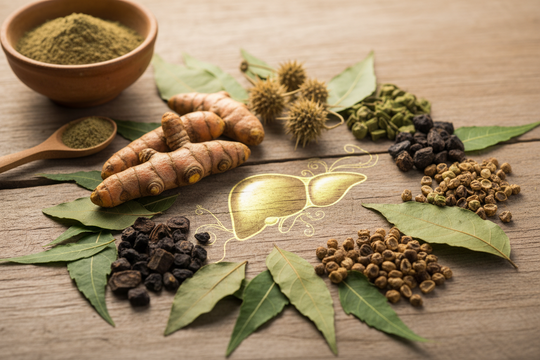
Triphala, a cornerstone of Ayurvedic wellness, is traditionally used to support gut health and natural detoxification, particularly relevant during the monsoon season when heightened humidity and dampness can challenge digestive function. This classical Ayurvedic formulation, known in Sanskrit as "three fruits," consists of Amalaki (Emblica officinalis), Bibhitaki (Terminalia bellerica), and Haritaki (Terminalia chebula), and is classified as a tridoshic rasayana in Ayurvedic medicine, meaning it promotes longevity and rejuvenation by balancing all three doshas: Vata, Pitta, and Kapha. Its profound efficacy in supporting efficient digestion, absorption, elimination, and rejuvenation makes it a vital foundational formula, as both Ayurvedic and modern perspectives acknowledge the gut's central role in overall health.
Supporting Gut Harmony During Monsoon
The monsoon season often brings a natural weakening of digestive fire (Agni), leading to sluggish digestion and increased accumulation of Ama (undigested toxins). Triphala is traditionally valued for its ability to support various aspects of gut health, which is crucial during this period.
- Supports comfortable, regular digestion: Triphala is traditionally used as a mild laxative without being habit-forming, promoting natural downward movement (Anulomana) and strengthening digestive fire (Deepana). A clinical trial indicated that Triphala may help support regular stool consistency and frequency, while potentially reducing occasional constipation, abdominal discomfort, and flatulence.
- May help maintain a balanced gut microbiome: Research suggests that polyphenols within Triphala can modulate the human gut microbiome, potentially encouraging the growth of beneficial bacteria like Bifidobacteria and Lactobacillus, while inhibiting less desirable microbes. This prebiotic-like effect is considered vital for overall gut wellness and balanced metabolic function.
- Supports the body's natural detoxification processes: In Ayurveda, Triphala is traditionally used to help cleanse "Ama" (undigested matter) from the digestive tract, thereby supporting systemic cleansing. By gently aiding the elimination of intestinal waste, it may help protect the gut and support its natural cleansing functions.
The Ayurvedic Perspective on Triphala
Triphala's profound efficacy stems from its unique Ayurvedic properties and its tridoshic balancing action, making it suitable for all constitutions. It is described as "Tridoshasamaka" (balancing all three doshas) in classical texts.
Each of the three fruits contributes distinct qualities:
- Amalaki (Indian Gooseberry): Predominantly Amla (sour), Madhura (sweet), and Kashaya (astringent) in rasa (taste), with Sheeta (cooling) virya (potency) and Madhura (sweet) vipaka (post-digestive effect). It is particularly valued for pacifying Pitta dosha and is a rich source of Vitamin C.
- Bibhitaki (Beleric Myrobalan): Possesses Kashaya (astringent) rasa, with Ushna (heating) virya and Madhura (sweet) vipaka. It traditionally helps balance Kapha dosha, supporting healthy respiratory and eliminatory functions.
- Haritaki (Chebulic Myrobalan): Contains five of the six tastes, with Kashaya (astringent) predominating, Ushna (warming) virya, and Madhura (sweet) vipaka. It is highly revered for pacifying Vata dosha, especially in supporting digestive regularity.
Together, these fruits create a synergistic blend. The rasa of Triphala as a whole is described as sweet, sour, pungent, bitter, and astringent, missing only the salty taste. Its virya is neutral (Anushna), and its vipaka is sweet. This balanced profile allows it to act on all doshas without aggravation. The Charaka Samhita and Sushruta Samhita extensively describe Triphala as a Rasayana, promoting longevity and immunity. The Ashtanga Hridaya recommends Triphala for daily use to maintain healthy elimination and support Agni. Traditionally, Triphala churna (powder) is taken with an anupana (vehicle) like warm water, honey, or ghee, depending on the individual's doshic needs and desired effect.
Optimal Usage for Monsoon Wellness
Triphala is most commonly consumed as a churna (fine powder), though capsules and tablets are also available for convenience. For supporting monsoon gut health and detoxification, the churna form is often preferred as it allows for the full experience of the herb's tastes, which are therapeutically significant in Ayurveda. The traditional adult dosage typically ranges from 1 to 5 grams (approximately ½ to 1 teaspoon) once or twice daily. Many Ayurvedic practitioners suggest taking it with warm water before bedtime or first thing in the morning on an empty stomach for optimal digestive and eliminative support. When aiming for deeper rejuvenative (Rasayana) effects, Triphala can be taken with honey and ghee, as mentioned in the Charaka Samhita.
It is crucial to start with a lower dose, such as 1 gram (¼ teaspoon), and gradually increase it to assess individual response, as higher doses can sometimes lead to loose stools or mild abdominal discomfort. Individuals with acute intestinal inflammation (e.g., ulcerative colitis or Crohn's disease) should avoid Triphala. Pregnant or breastfeeding women, children under 12, and individuals on ongoing medications (especially blood thinners, blood pressure medication, or anti-diabetic drugs) should consult a qualified Ayurvedic practitioner or a registered doctor before using Triphala, as it may interact with certain medications or have cleansing properties unsuitable during pregnancy.
FAQs on Triphala for Monsoon Health
Q: Can Triphala be taken daily during the monsoon season?
A: Yes, Triphala is traditionally endorsed for long-term daily use by texts like the Charaka Samhita due to its balanced, tridoshic nature. It supports healthy digestion and elimination without creating dependency, making it suitable for consistent use, especially when digestive fire naturally weakens during monsoon.
Q: How does Triphala specifically help with monsoon-related digestive issues?
A: During monsoon, increased humidity and dampness can aggravate Vata and Kapha, weakening Agni. Triphala's properties, including its ability to kindle Agni (Deepana) and promote healthy elimination (Anulomana), help counteract these imbalances, supporting comfortable digestion and reducing the accumulation of Ama.
Q: What is the ideal anupana (vehicle) for Triphala during monsoon?
A: For general digestive support and detoxification during monsoon, warm water is a commonly recommended anupana for Triphala churna. Honey can be added to enhance Kapha-reducing qualities, while ghee may be suitable if Vata is particularly high and deeper Rasayana effects are desired.
Q: Are there any specific times of day to take Triphala for monsoon gut health?
A: Traditionally, Triphala is often taken on an empty stomach, either first thing in the morning or before bedtime, to maximize its digestive and eliminative benefits. This timing allows it to work gently through the night or to prepare the digestive system for the day.
Q: Can Triphala interact with modern medications?
A: Yes, Triphala may interact with certain medications, including blood thinners, anti-diabetic drugs, and blood pressure-lowering medications. It is essential to consult a qualified Ayurvedic practitioner or a registered doctor if you are on any prescription medication to ensure safe usage and proper dosage adjustments.
Pharma Research