Monsoon Metabolism: Ayurvedic Spices for Detoxification
⏱ 18 min read·Updated Aug 2026·0% read

Navigating Monsoon Wellness with Warming Spices
During the monsoon season, the body's natural digestive fire, known as Agni, tends to weaken due to increased humidity and cooler temperatures, making it essential to incorporate warming Ayurvedic spices like ginger (Shunthi), black pepper (Maricha), turmeric (Haridra), and cumin (Jeeraka) to support metabolism and detoxification. This ancient wisdom, rooted in classical Ayurvedic texts, emphasizes adapting dietary practices to counteract the seasonal aggravation of Vata and Kapha doshas, which can lead to sluggish digestion and the accumulation of Ama (undigested toxins). By thoughtfully integrating these potent spices, one can help maintain digestive harmony and promote overall well-being throughout the rainy season.
Key Benefits of Monsoon Spices
- Supports robust digestive fire (Agni): Warming spices like ginger and black pepper are traditionally used to stimulate Agni, which is crucial for efficient nutrient absorption and the prevention of Ama formation, particularly when the digestive fire is naturally weakened during monsoon. Ginger, in particular, is revered as vishwabhesaj, or the “universal medicine,” for its profound effects on digestion.
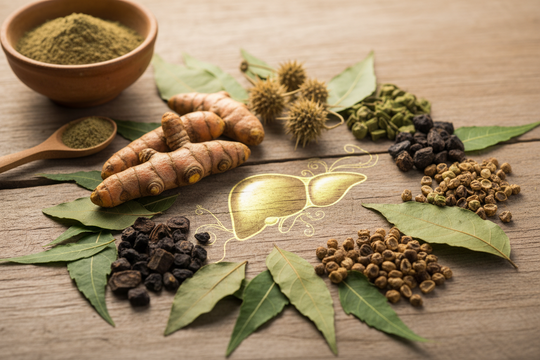
- Aids in natural detoxification pathways: Spices such as turmeric, black pepper, and coriander are traditionally valued for supporting the body's inherent cleansing mechanisms by helping to “burn” Ama, purify blood (Rakta Dhatu), and support liver function. Black pepper contains piperine, which is associated with enhancing nutrient absorption and stimulating the removal of toxins.
- Promotes comfortable, regular digestion and reduces bloating: Cumin, with its carminative properties, is widely used in Ayurvedic cooking to alleviate occasional gas and bloating by supporting proper digestion. Similarly, coriander seeds traditionally help reduce gas and bloating, offering relief after meals.
- Balances Vata and Kapha doshas: The pungent and heating qualities of many monsoon spices, including ginger, black pepper, and turmeric, help to counteract the cold, damp, and heavy attributes of aggravated Vata and Kapha doshas, which tend to increase during the rainy season. This helps to restore equilibrium and prevent associated imbalances like sluggishness and congestion.
The Ayurvedic Perspective: Rasa, Virya, Vipaka, and Dosha Effects
In Ayurveda, the monsoon (Varsha Ritu) is a period when Vata dosha is aggravated due to the cool, dry, and windy qualities, and Kapha dosha accumulates due to dampness, both of which can significantly weaken Agni and lead to Ama accumulation. To counter these effects, spices with specific Ayurvedic properties are highly recommended.
Ginger (Shunthi), whether fresh (Adrak) or dried (Shunthi), is considered a universal medicine due to its warming and stimulating qualities. Its rasa (taste) is pungent (Katu) and sweet (Madhu), its virya (potency) is heating (Ushna), and its vipaka (post-digestive effect) is sweet. Ginger effectively pacifies Vata and Kapha by stimulating Agni, clearing channels, and reducing Ama. Charaka Samhita emphasizes its role in enhancing digestive fire. Traditionally, a small slice of fresh ginger with a pinch of rock salt and lime juice is consumed before meals to awaken digestion.
Black Pepper (Maricha) is known for its sharp, pungent taste (Katu rasa) and powerfully heating (Ushna virya) potency, with a pungent (Katu vipaka) post-digestive effect. It is excellent for pacifying Kapha and Vata doshas, while potentially increasing Pitta if used excessively. Black pepper is a key ingredient in the classical Ayurvedic formulation Trikatu (along with long pepper and ginger), traditionally used to stimulate metabolism and “burn” Ama. It is valued for its Ama Pachana (toxin-burning) properties, helping to clear sticky, undigested residues.
Turmeric (Haridra) is revered as “The Golden Goddess” and is traditionally used to balance all three doshas, though its bitter (Tikta) and pungent (Katu) tastes, heating (Ushna virya) potency, and pungent (Katu vipaka) post-digestive effect make it particularly beneficial for Kapha and Pitta imbalances when managed. It significantly strengthens Agni, eliminates Ama, and supports the purification of Rakta Dhatu (blood tissue), as described in Ayurvedic texts.
Cumin (Jeeraka) is celebrated for its ability to enhance Agni and support efficient digestion. Its rasa includes pungent, bitter, and slightly sweet tastes, with a heating (Ushna virya) potency and a pungent (Katu vipaka) post-digestive effect. Cumin is considered tridoshic in moderate amounts, helping to balance Vata, Pitta, and Kapha by reducing bloating and gas, regulating acidity, and breaking down mucus.
Coriander (Kustumbur), both seeds and leaves, is traditionally valued for its gentle cooling nature (Sheetal virya). Its rasa is sweet and astringent, with a sweet vipaka. While the leaves are distinctly cooling, the seeds are considered mildly warming, making them adaptable for balancing Pitta and Kapha, and gentle for Vata when used moderately. It supports natural detox pathways and liver function.
Integrating Monsoon Spices into Your Routine
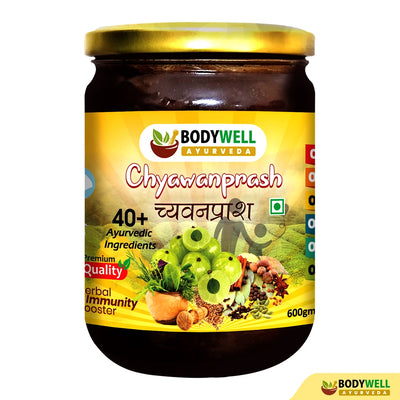
Incorporating these Ayurvedic spices into your daily monsoon regimen can be simple and effective. For stimulating Agni, a common practice is to chew a small piece of fresh ginger with a pinch of rock salt before meals. To support overall digestion and detoxification, consider a “Monsoon Tea” made with 1/2 teaspoon of grated fresh ginger, 1/4 teaspoon of turmeric powder, a pinch of black pepper, and 1/2 teaspoon of cumin seeds, steeped in warm water for 5-7 minutes. This can be consumed once or twice daily. For those seeking comprehensive support for digestion and metabolism, BodyWell Chyawanprash With 40+ Ayurvedic Herbs is a traditional Ayurvedic formulation known for enhancing vitality and strengthening immunity. While not a spice in itself, it contains many metabolism-supporting herbs. Add 1-2 teaspoons to warm milk or water daily. Always consult a qualified Ayurvedic practitioner or a registered doctor, especially if you are pregnant, nursing, on medication, or managing a chronic health condition, before making significant dietary changes.
For culinary use, generously incorporate ginger, turmeric, cumin, and black pepper into freshly cooked, warm, and light meals like khichdi, vegetable soups, and dals. Cumin and coriander seeds can be lightly roasted and added to your cooking or steeped as a digestive tea. Avoid heavy, oily, cold, or raw foods during the monsoon to prevent further dampening of Agni.
FAQs
Q: Why is metabolism often sluggish during monsoon?
A: The monsoon season brings increased humidity, cooler temperatures, and a naturally weakened digestive fire (Agni), which can aggravate Vata and Kapha doshas. This leads to reduced metabolic efficiency and a tendency for undigested toxins (Ama) to accumulate, causing sluggishness and digestive discomfort.
Q: Can these spices be used by everyone?
A: While generally safe in culinary amounts, individuals with high Pitta imbalances or conditions associated with excess heat may need to use pungent and heating spices like black pepper and ginger in moderation. It is always advisable to consult a qualified Ayurvedic practitioner or doctor for personalized guidance, especially if you have pre-existing health conditions or are pregnant.
Q: How do these spices support detoxification?
A: Ayurvedic spices support detoxification primarily by strengthening Agni, which helps to properly digest food and prevent Ama formation. Many also possess properties like Ama Pachana (burning toxins), enhancing circulation, and supporting liver and kidney function to facilitate the natural elimination of metabolic waste.
Q: Are there any specific monsoon-friendly spice blends?
A: A popular Ayurvedic blend is “CCF” tea, made from equal parts cumin, coriander, and fennel seeds, steeped in warm water. This blend is traditionally used to soothe the digestive system, reduce inflammation, and calm all three doshas, making it ideal for monsoon wellness.
Q: How can I ensure I’m getting authentic Ayurvedic spices?
A: To ensure authenticity and purity, source your spices from reputable Ayurvedic brands or trusted local suppliers. Look for organic, minimally processed options that retain their natural aroma and potency, as quality ingredients are crucial for optimal Ayurvedic benefits.