Ayurvedic Herbs for Liver Vitality: A Traditional Approach
⏱ 19 min read·Updated Aug 2026·0% read

Introduction
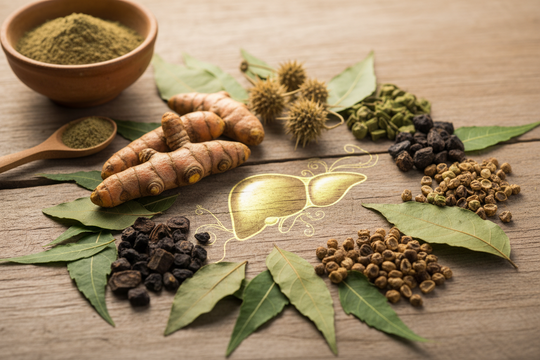
Ayurveda offers a profound approach to supporting liver detoxification and overall wellness through specific herbs like Bhumi Amalaki (Phyllanthus niruri), Katuki (Picrorhiza kurroa), Punarnava (Boerhavia diffusa), and Guduchi (Tinospora cordifolia). These botanicals are traditionally valued for their ability to balance the Pitta dosha, which governs metabolic functions in the liver, and to clear accumulated toxins (ama). The liver, known as Yakrit in Ayurveda, is considered a vital organ closely linked to Rakta Dhatu (blood tissue) and Agni (digestive fire), making its optimal function central to overall health and vitality.
Key Benefits for Hepatic Harmony
-
Supports healthy liver function and cell protection
Ayurvedic herbs like Bhumi Amalaki are traditionally recognized for their hepatoprotective properties, which are associated with safeguarding liver cells. This action is crucial for maintaining the liver's capacity to process nutrients and eliminate waste effectively. Research suggests that a four-herb formulation including Phyllanthus niruri, Picrorhiza kurroa, and Tinospora cordifolia may support liver enzyme profiles and reduce serum ALT levels. -
Promotes balanced bile flow and digestive fire
Katuki is traditionally valued for its potent bitter taste (tikta rasa) and cooling potency (sheeta virya), which in Ayurveda are associated with stimulating bile secretion (cholagogue action) and enhancing Agni without aggravating Pitta. This dual action supports comfortable, regular digestion and the efficient breakdown of fats. Punarnava also contributes to improved bile secretion and liver metabolism. -
Aids in systemic detoxification and ama clearance
Punarnava is traditionally known as a 'renewer of the body' (rasayana) due to its association with flushing out accumulated toxins (ama) from the body. This herb is valued for its diuretic and anti-inflammatory properties, which may help support the body's natural detoxification processes, particularly in the liver and kidneys. -
Supports the body’s natural immune response and vitality
Guduchi, also known as Giloy, is revered as an immune-modulating rasayana in Ayurveda. It is traditionally used to support overall vitality and the body's natural defense mechanisms. Its properties are associated with helping the liver process toxins more effectively and supporting a balanced immune response.
The Ayurvedic Perspective: Balancing Pitta and Purifying Yakrit
In Ayurveda, the liver (Yakrit) is considered a primary seat of the Pitta dosha, responsible for all metabolic and transformative processes (agni). Imbalances in Pitta, often exacerbated by a diet rich in pungent, sour, or salty tastes, or by excessive heat and stress, can manifest as compromised liver function and the accumulation of ama (toxins). Therefore, Ayurvedic approaches to liver wellness primarily focus on pacifying Pitta, enhancing Agni, and promoting the gentle elimination of ama.
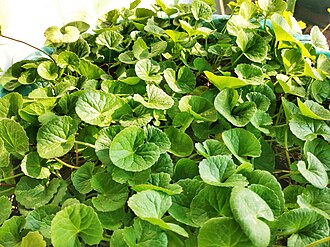
Bhumi Amalaki, or Bhumyamalaki, is a cooling herb (sheeta virya) with a bitter (tikta rasa) and astringent (kashaya rasa) taste. Its post-digestive effect (madhura vipaka) contributes to its Pitta-pacifying and Kapha-reducing qualities, while in excess it may aggravate Vata due to its drying (ruksha guna) nature. It is traditionally used to support liver regeneration and soothe inflamed liver tissue, appearing in classical texts for conditions related to kamala (jaundice).
Katuki (Picrorhiza kurroa) is characterized by its intensely bitter (tikta rasa) taste, cooling potency (sheeta virya), and pungent post-digestive effect (katu vipaka). Its light (laghu) and dry (ruksha guna) qualities make it highly effective in pacifying both Pitta and Kapha doshas. The Charaka Samhita and Sushruta Samhita highlight Katuki's traditional use as a powerful agent to stimulate bile flow and cleanse the liver, making it a cornerstone in Ayurvedic formulations for liver support.
Punarnava (Boerhavia diffusa) translates to “that which renews” and is revered for its rejuvenating (rasayana) properties. It possesses a sweet (madhura), bitter (tikta), and astringent (kashaya rasa) taste, with a hot potency (ushna virya) and sweet post-digestive effect (madhura vipaka). Its light (laghu) and dry (ruksha guna) qualities balance Kapha and Pitta doshas. It is classically indicated for supporting fluid balance and aiding in the removal of ama, particularly through its diuretic action.
Guduchi (Tinospora cordifolia), also known as Amrita, is a versatile herb with bitter (tikta) and astringent (kashaya rasa) tastes. It has a heating potency (ushna virya) and a sweet post-digestive effect (madhura vipaka). Its unctuous (snigdha guna) and heavy (guru guna) qualities enable it to balance all three doshas, making it a potent rasayana. Classical texts commend Guduchi for its ability to support detoxification pathways and enhance overall vitality.
How to Use These Ayurvedic Botanicals
For supporting liver detoxification and overall wellness, these herbs can be incorporated into your routine in various forms, such as powders (churna), capsules, or decoctions. The specific dosage and form will depend on individual constitution (Prakriti) and current imbalances (Vikriti).
Typically, Bhumi Amalaki churna can be taken in doses of 1-3 grams, mixed with warm water or buttermilk, once or twice daily, ideally before meals. Katuki churna is often recommended in smaller doses, around 250-500 mg, due to its intense bitterness and potent action, usually taken with warm water or honey. Punarnava churna can be consumed in doses of 1-2 grams, mixed with warm water, twice daily. Guduchi can be taken as a churna (1-3 grams) or in capsule form (500mg-1g), twice daily, often with warm water or ghee.
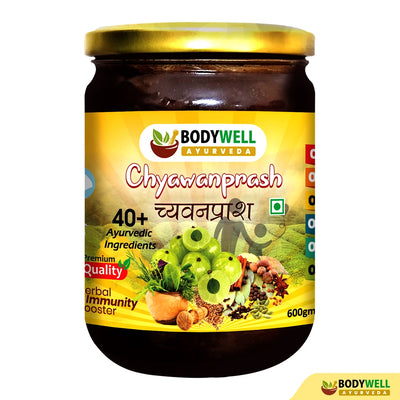
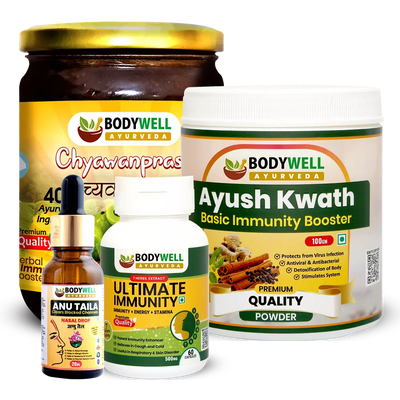
Chyawanprash, a traditional Ayurvedic formulation with over 40 herbs, including Amla and other revitalizing botanicals, is also valued for supporting overall wellness and immunity, indirectly aiding metabolic balance. BodyWell Ayurveda's Chyawanprash can be taken as per recommended dosage on the product packaging. When combining these herbs or considering any new supplement, especially if pregnant, breastfeeding, or on ongoing medication, it is crucial to consult a qualified Ayurvedic practitioner or a registered doctor to ensure safety and appropriate use.
FAQs
Q: How does Ayurveda view the liver's role in detoxification?
A: In Ayurveda, the liver (Yakrit) is central to Pitta dosha and Agni, responsible for metabolic transformations and blood purification. It is not merely a filter but a vital organ governing the entire digestive and metabolic process, including the conversion of nutrients and the elimination of toxins (ama).
Q: Can these herbs be taken during monsoon season for liver support?
A: Yes, many of these herbs, particularly those with bitter tastes and cooling potencies like Katuki and Bhumi Amalaki, are traditionally considered beneficial during the monsoon season. This is because monsoon can lead to an aggravation of Vata and Kapha, and a weakening of Agni, which can impact liver function. Herbs that balance Pitta and support digestion are often recommended.
Q: Are there any specific dietary recommendations when taking these herbs for liver wellness?
A: When supporting liver wellness with Ayurvedic herbs, it is generally advised to follow a Pitta-pacifying diet. This includes consuming fresh, whole foods, favoring bitter, astringent, and sweet tastes, and avoiding excessive pungent, sour, or salty foods, as well as processed items, alcohol, and heavy, oily meals.
Q: How long does it typically take to observe benefits from these herbs?
A: The time frame for observing benefits can vary greatly among individuals, depending on their unique constitution, the severity of imbalances, consistency of use, and lifestyle factors. In Ayurveda, gradual and sustained support is emphasized, often recommending consistent use over several weeks or months under the guidance of a practitioner.
Q: Can these Ayurvedic herbs be used alongside modern medication?
A: While Ayurvedic herbs are traditionally used to support well-being, it is crucial to consult a qualified Ayurvedic practitioner or a registered doctor before combining them with any modern medications. This is important to avoid potential interactions and ensure safe and effective use, especially with ongoing health conditions.